
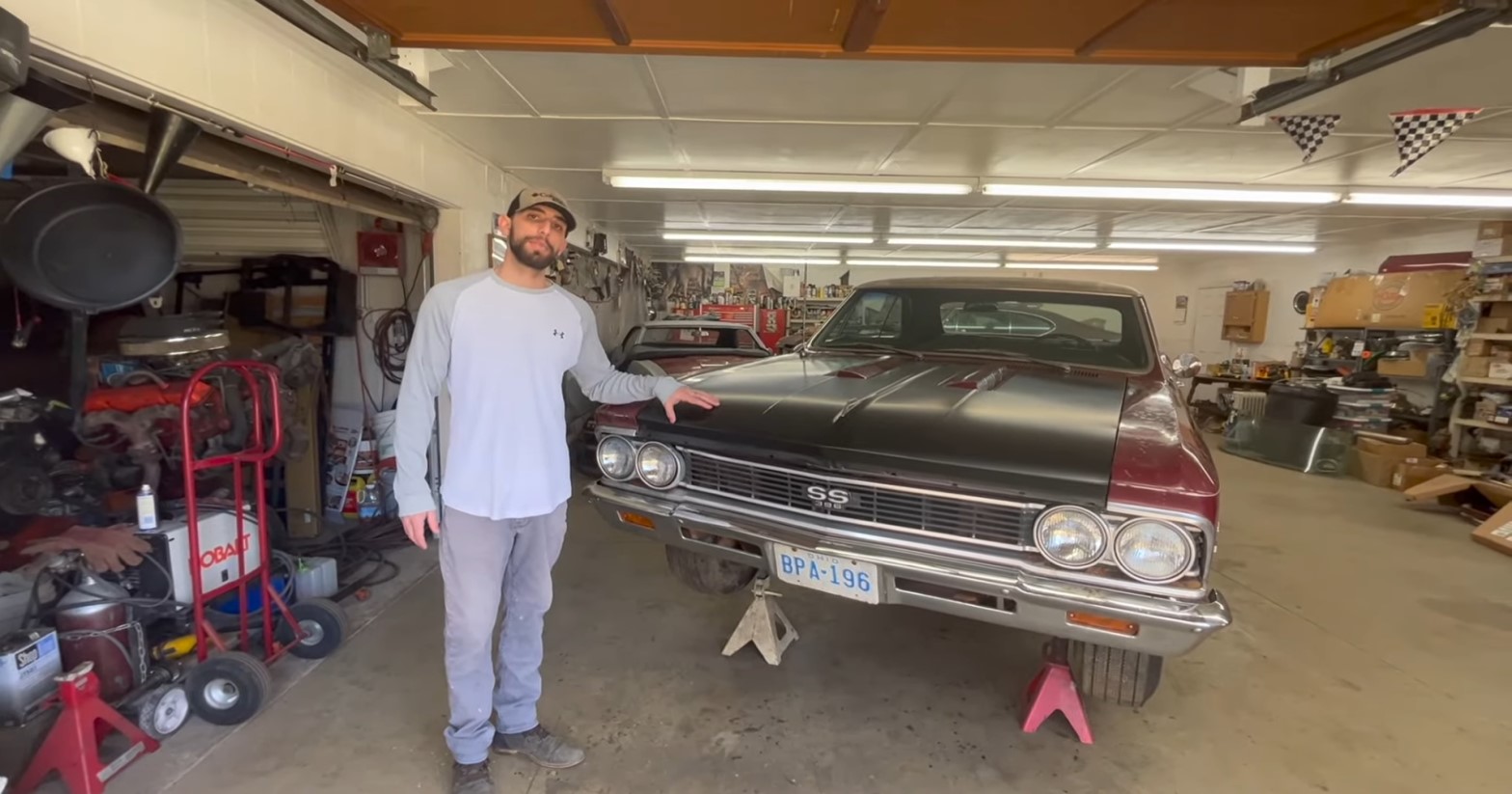
1966 Chevelle Super Sport 396 Identification Guide
Last Updated October 14, 2024The 1966 Chevelle Super Sport 396 is an iconic muscle car known for its powerful performance and distinct features. However, with many Chevelles being restored or modified over the years, it can be challenging to identify a true SS 396 model. If you're in the market for one or just curious about what sets this classic apart, here’s a detailed guide on how to recognize a real 1966 Chevelle Super Sport 396.
Exterior Clues: SS Badges and Grille
One of the most obvious ways to identify a Super Sport 396 is by looking at the front of the car. The model features unique “SS” badging on the front and back, making it stand out from the standard Chevelle models. Another characteristic is the blacked-out grille, which was specific to the Super Sport model. However, it’s important to note that some Chevelles may have undergone front-end work over the years, so the grille might not always be blacked out in restored cars.

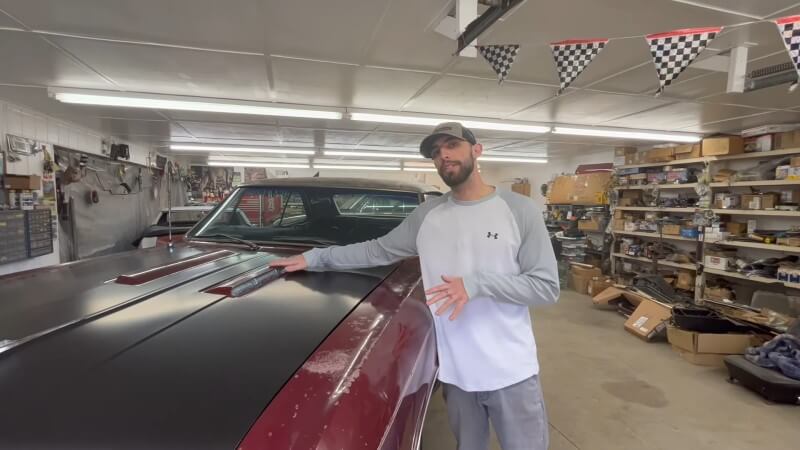
Another distinguishing feature is the raised vents on the hood. Although these vents are not functional, they serve as a visual indicator that the car houses a big-block 396 engine. These subtle but crucial details help in distinguishing a real Super Sport from other Chevelles.
The Importance of the ‘66 Chevelle’s VIN
The VIN (Vehicle Identification Number) is perhaps the most critical element in verifying the authenticity of a 1966 Chevelle Super Sport 396. For these cars, the VIN is located on the A-pillar and includes a unique code.
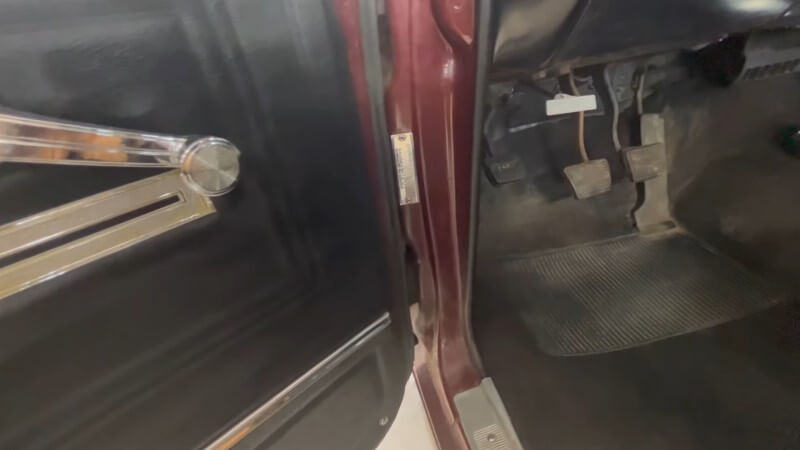
To identify a true SS 396, look for the number “138” in the VIN. This signifies that the car is a genuine Super Sport model and not a base model or Malibu. For example, a VIN starting with “13817” would indicate a two-door sport coupe, while a convertible would have a VIN starting with “13867.” This is one of the easiest ways to confirm if you’re dealing with an original SS 396 or a base Chevelle that may have been upgraded or modified to look like one.
1966 Chevelle SS 396 Interior Features: Seats, Console, and Gauges
Moving to the interior, there are several clues that can help confirm if you’re inside a true 1966 Chevelle Super Sport 396. One of the notable features is that, while most Chevelles came with bench seats, the Super Sport often had bucket seats, although these could be added as options across all models.
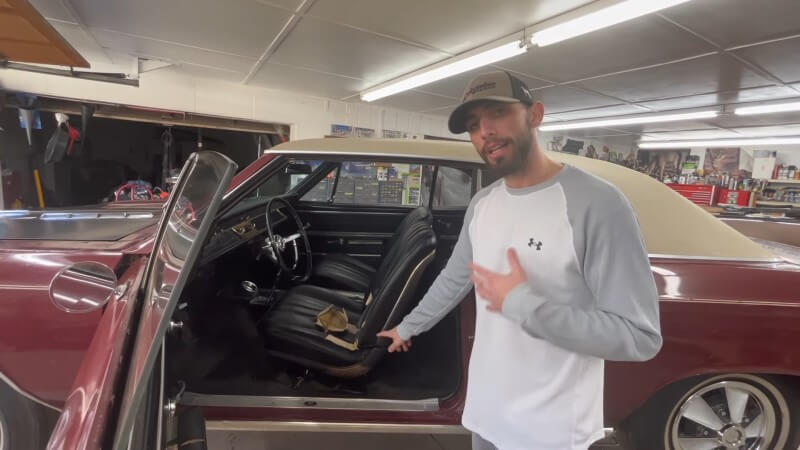
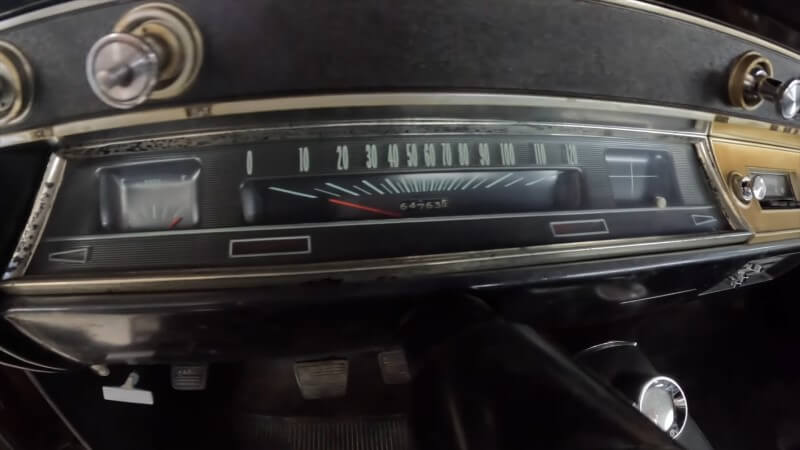
Another key interior feature is the center console, which could be ordered for any Chevelle but is often present in SS 396 models. Pay close attention to the dashboard as well. In 1966, the Chevelle SS 396 didn't come standard with gauges, though they could be added as an option. If the car has no gauges or only a clock on the dash, this can be a telltale sign of an original setup. Gauge clusters were often blocked off in base models without that option.
Small details, such as the chrome trim on the seats, can also provide insight into the authenticity of the restoration. For example, the chrome molding on 1966 Chevelle seats should stop at the base of the seat. Many reproduction seats extend the chrome trim further down, which is not correct for the 1966 model.
The ‘66 Chevelle Tail Pan Debate
One of the most controversial aspects of the 1966 Chevelle Super Sport 396 is the rear tail pan. There has been much debate about whether or not the SS 396 originally came with a blacked-out tail pan. Early models, particularly those produced in Atlanta, did have a blacked-out tail pan from the factory. However, this feature was eventually discontinued due to production costs.
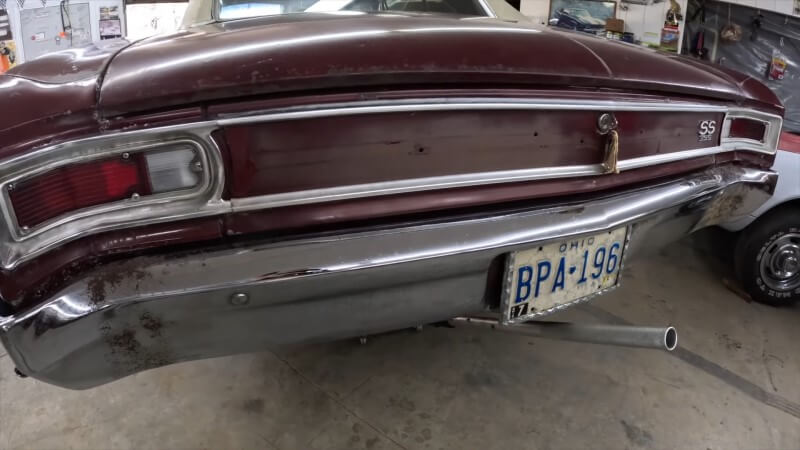
Interestingly, some dealerships would paint the tail pans black themselves to appeal to customers, which is why many Chevelles you see today have this feature. While it’s not a definitive factory specification, it is something to look out for, especially on early-production models.
The Heart of the Beast: The 396 Big Block Engine
Of course, the most crucial element of any 1966 Chevelle Super Sport 396 is what’s under the hood—the big-block 396 engine. This engine came in three different versions: the 325 horsepower, 360 horsepower, and the top-tier L78 version, which produced an impressive 375 horsepower. The L78 was rare, with only 3,099 units produced, making it a highly sought-after option among collectors.

To verify if the engine is original to the car, you can compare the engine code with the VIN. The engine pad, located near the front of the engine, should have a code that matches the last three digits of the car’s VIN. If these numbers align, it confirms that the engine is correct and original to that car, which significantly adds to the car’s value and authenticity.
1966 Chevelle SS 396 Drivetrain and Rear Frame
While many 1966 Chevelle models could be fitted with a 12-bolt rear end, this was standard on the Super Sport 396. However, the rear frame reinforcement is something unique to the SS 396, and it’s an important detail to check. This reinforcement was designed to handle the extra power of the 396 engine and improve the overall structural integrity of the car.
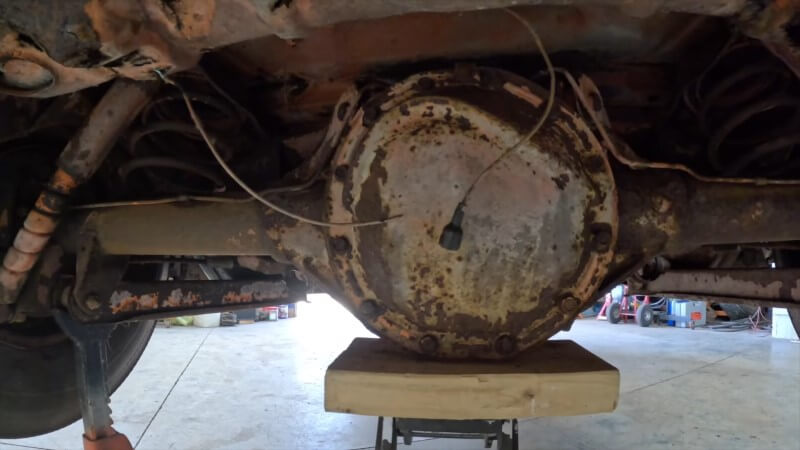
Additionally, the Positraction rear end, which improves traction by limiting the slip between wheels, was a common option on the SS 396 models. You can usually verify this by looking for a red Positraction tag on the rear axle or checking the numbers stamped on the axle to see if they match the original specifications.

1966 Chevelle SS Paint Codes and Trim Tags
The trim tag on the car provides a wealth of information about the vehicle’s original configuration, including its paint color, interior trim, and factory options. For example, the trim tag on a 1966 Chevelle Super Sport 396 might show the original paint color code and interior options.

An unusual or rare color combination, such as maroon with a beige top, can increase the value and appeal of the car to collectors. If the car has been repainted or modified, the trim tag can provide a reference point to see if the current configuration matches the car’s factory specifications.
Ensure Your 1966 Chevelle Super Sport 396 Is Authentic
Identifying a true 1966 Chevelle Super Sport 396 comes down to paying attention to the small details. From the VIN and interior features to the engine and rear frame reinforcement, each aspect plays a role in confirming the car’s authenticity. Whether you’re a collector or just a fan of classic muscle cars, knowing what to look for can help you appreciate the craftsmanship and legacy of this iconic vehicle.
If you're considering purchasing a 1966 Chevelle Super Sport 396, make sure to examine all of these key elements closely to ensure you're getting an authentic piece of American muscle car history.
Thanks to our friends over at Backyard Barn Finds for providing us with the basis of the information in this article!