1967-1969 Chevy Camaro VIN Decoder
Last Updated July 20, 2026Decoding your Camaro VIN is one of the first steps in understanding what your first-generation Camaro was when it left the factory. The VIN can confirm the model year, body style, engine type, assembly plant, and production sequence, making it useful for buyers, restorers, and anyone trying to verify a classic Camaro project.
First-generation Camaros built from 1967-1969 used a 13-character VIN. This guide breaks down each section of the VIN so you can identify what each number or letter means before planning your restoration.
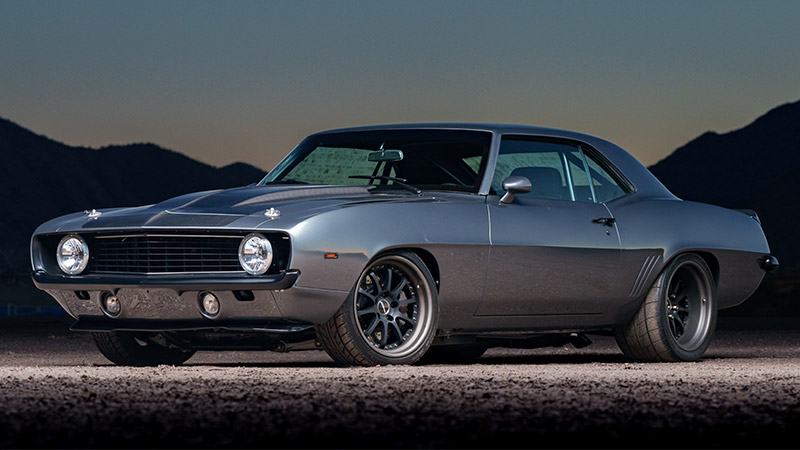
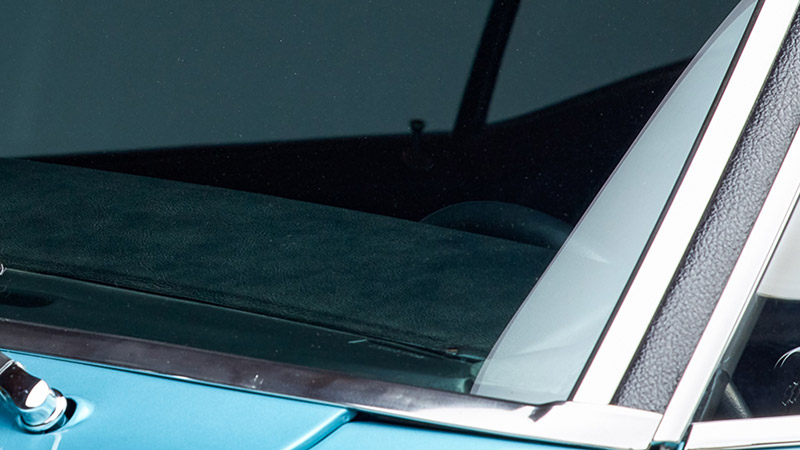
Where to Find the VIN on a 1967-1969 Camaro
| Model Year | VIN Location |
|---|---|
| 1967 | Driver-side A-pillar, visible when the driver-side door is open |
| 1968 | Driver-side upper dash, visible through the windshield |
| 1969 | Driver-side upper dash, visible through the windshield |
1967-1969 Camaro VIN Format
A 1967-1969 Camaro VIN uses the following format:
12ebbYPxxxxxx
Example VIN:
124379N512345
| VIN Position | Identifies |
|---|---|
| 1 | Manufacturer |
| 2 | Model line |
| 3 | Engine type |
| 4-5 | Body style |
| 6 | Model year |
| 7 | Assembly plant |
| 8-13 | Production sequence number |
Position 1: Manufacturer
The first digit identifies the manufacturer division.
| Code | Manufacturer |
|---|---|
| 1 | Chevrolet |
Position 2: Model Line
The second digit identifies the Chevrolet model line.
| Code | Model Line |
|---|---|
| 2 | Camaro |
Position 3: Engine Type
The third digit identifies the original engine type. For first-generation Camaros, this digit separates inline-six cars from V8 cars.
| Code | Engine Type |
|---|---|
| 3 | Inline-six engine |
| 4 | V8 engine |
Positions 4-5: Body Style
The fourth and fifth digits identify the body style. First-generation Camaros were available as a sport coupe or convertible.
| Code | Body Style |
|---|---|
| 37 | Sport Coupe |
| 67 | Convertible |
Position 6: Model Year
The sixth digit identifies the model year of the Camaro.
| Code | Model Year |
|---|---|
| 7 | 1967 |
| 8 | 1968 |
| 9 | 1969 |
Position 7: Assembly Plant
The seventh character identifies the plant where the Camaro was assembled.
| Code | Assembly Plant |
|---|---|
| N | Norwood, Ohio |
| L | Los Angeles / Van Nuys, California |
Positions 8-13: Production Sequence Number
The final six digits are the production sequence number. This number increased as Camaros were built at each assembly plant.
| Model Year | Starting Sequence Number |
|---|---|
| 1967 | 100001 |
| 1968 | 300001 |
| 1969 | 500001 |
The production sequence number does not represent total Camaro production for the year. It identifies where the vehicle fell within the sequence at its assembly plant.
Example 1967-1969 Camaro VIN Breakdown
Example VIN:
124379N512345
| VIN Section | Code | Meaning |
|---|---|---|
| Position 1 | 1 | Chevrolet |
| Position 2 | 2 | Camaro |
| Position 3 | 4 | V8 engine |
| Positions 4-5 | 37 | Sport Coupe |
| Position 6 | 9 | 1969 model year |
| Position 7 | N | Norwood, Ohio assembly plant |
| Positions 8-13 | 512345 | Production sequence number |
This VIN identifies a 1969 Chevrolet Camaro Sport Coupe with a V8 engine, built at the Norwood assembly plant.
What Your 1967-1969 Camaro VIN Can Tell You
- Manufacturer
- Model line
- Original engine type
- Body style
- Model year
- Assembly plant
- Production sequence number
What Your 1967-1969 Camaro VIN Cannot Tell You
A first-generation Camaro VIN is useful, but it does not reveal every factory detail. The VIN cannot confirm:
- RS package
- SS package
- Z/28 package
- Paint color
- Interior color
- Transmission
- Rear axle ratio
- Most factory options
To verify those details, you will need to review the trim tag, drivetrain stampings, casting numbers, date codes, and original documentation when available.
How to Spot a Fake or Altered Camaro VIN Plate
A Camaro VIN plate should always be inspected carefully before buying a project car or beginning a restoration. A questionable VIN plate does not automatically mean the car has a serious problem, but it should prompt closer inspection.
Check the VIN Against the Title
The VIN on the car should match the title, registration, and any supporting paperwork. A mismatch can create registration issues and may indicate that the vehicle's identity needs further investigation.
Look for Disturbed Paint or Metal
Inspect the area around the VIN plate for scratches, chipped paint, tool marks, unusual overspray, or signs that the plate has been removed. Fresh paint around the VIN area can be innocent, but it should be reviewed carefully.
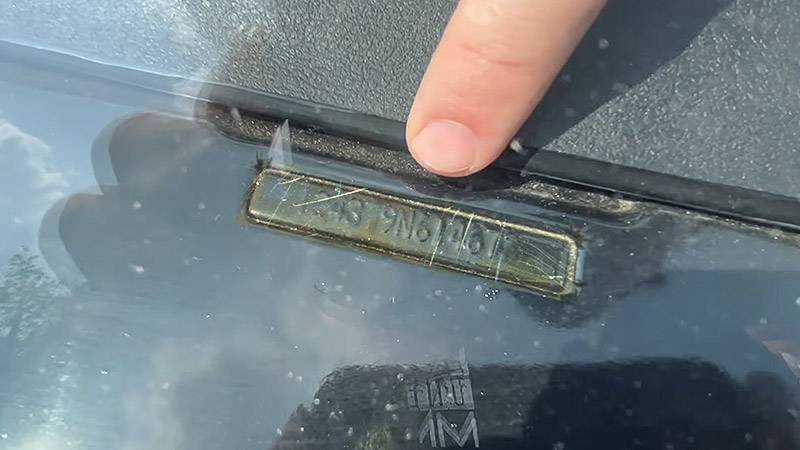
Inspect the Rivets and Plate Installation
The VIN plate should appear consistent with the age and condition of the vehicle. Rivets that look recently installed, mismatched, or disturbed may indicate that the plate has been removed or replaced.
Compare the VIN With Partial VIN Stampings
First-generation Camaros also received partial VIN stampings on hidden body areas. These can help support the identity of the car, especially when evaluating a high-value restoration candidate.
Compare Build Dates Across the Car
Engine casting dates, transmission dates, rear axle dates, and body build dates should make sense when compared to the VIN and production sequence. Components dated long after the vehicle was built may indicate replacements.
Proceed Carefully With Any Suspicious VIN
If a VIN plate looks altered, mismatched, or inconsistent with the rest of the car, pause before purchasing. Consult your state motor vehicle agency or a qualified classic car inspector before moving forward.
Decode Your First-Generation Camaro Before You Restore It
Understanding your Camaro VIN helps you confirm the basics before buying parts, planning repairs, or evaluating originality. Once you know the model year, body style, engine type, and assembly plant, you can make more confident decisions for your build.