

1967 Chevy Chevelle Specs and Overview
Last Updated September 18, 2025The 1967 Chevy Chevelle marked the final year of the model's first generation, and this fan-favorite year helped set the stage for future muscle car dominance. With clean styling, a wide range of engine options, and the continued success of the SS 396 performance model, the '67 Chevelle offered something for every type of driver. This article outlines the technical specs, explores what was new for 1967, and explains why this model remains a favorite in the restoration world.
| Category | Details |
|---|---|
| Model Year | 1967 (Final year of first generation) |
| Engine Options |
230ci Inline-6 (140 hp) 250ci Inline-6 (155 hp) 283ci V8 (195 hp) 327ci V8 (275 hp) 396ci V8 (325-375 hp, SS 396 only) |
| Transmission Options | 3-speed manual, 4-speed manual, 2-speed Powerglide auto, 3-speed Turbo Hydra-Matic (new for 1967) |
| Horsepower Range | 140 hp - 375 hp |
| Suspension | Independent front suspension, 4-link rear with coil springs |
| Brakes | Drum brakes standard; power front disc brakes optional (new for 1967) |
| Performance Package | SS 396 (Z16 styling cues carried over) |
| Wheelbase | 115 inches |
| Weight | Approximately 3,200 - 3,600 lbs depending on configuration |
New Features for the 1967 Model Year
The 1967 model year brought a series of important refinements to the Chevelle lineup. While it retained the core design introduced in previous years, Chevy made several updates aimed at improving safety, drivability, and overall styling.
Exterior Design
On the outside, the 1967 Chevelle received subtle styling revisions that gave the car a cleaner, more mature look. The front grille design was updated with a more squared-off appearance and a sleeker horizontal bar layout.
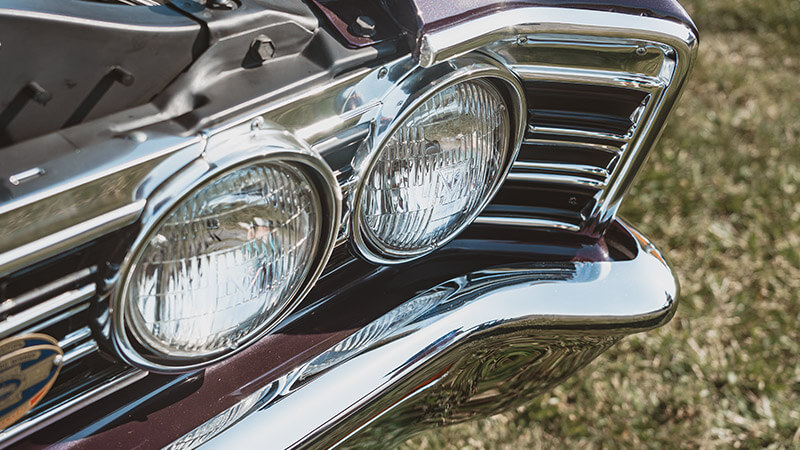
At the rear, new taillights were integrated into a more sculpted rear panel, contributing to a wider and lower visual profile. The SS 396 model kept its signature domed hood, bold badging, and blacked-out grille, making it instantly recognizable on the street. Chevy also introduced new color options and trim combinations for more personalization.

Interior Updates
Inside, the 1967 Chevelle featured a redesigned dashboard with a more functional gauge layout and a padded upper surface to meet evolving safety standards. Optional front seat headrests and new dual master cylinder brakes with warning lights were added in compliance with new federal regulations. The SS model offered upgraded bucket seats, optional center console, and stylish trim details that reflected its performance focus. These updates helped improve both comfort and safety while maintaining the Chevelle's sporty reputation.
Performance Enhancements
While the engine lineup remained largely the same, the 1967 model year introduced the 3-speed Turbo Hydra-Matic automatic transmission as an option on V8 models, providing smoother shifts and greater performance flexibility. The SS 396 continued to offer three levels of power: 325 hp, 350 hp, and 375 hp, depending on the version selected. One of the most significant changes came in the form of optional front disc brakes, a first for the Chevelle, which dramatically improved braking performance and gave drivers more confidence under hard stopping conditions.

Why Enthusiasts Love the 1967 Chevelle
The 1967 Chevelle represents the perfect balance between first-gen simplicity and modern refinements. It's a favorite among restorers thanks to its clean body lines, wide availability of parts, and compatibility with modern upgrades. The continued presence of the SS 396 as a true muscle car contender, along with the introduction of important safety and performance options, makes the '67 a standout year for collectors. From weekend cruisers to full-on restoration, the 1967 Chevelle delivers timeless style and serious potential in every configuration.


