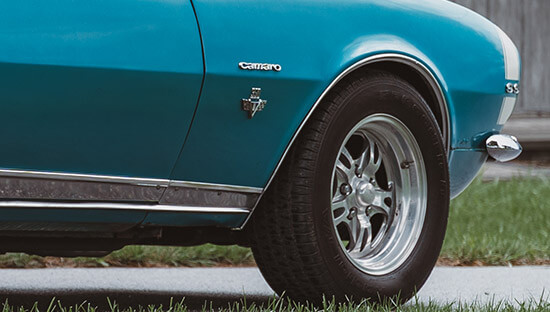

1969 Chevy Camaro Specs and Overview
Last Updated September 16, 2025Few vehicles capture the essence of the American muscle car era quite like the 1969 Chevy Camaro. As the final model year of the first-generation Camaro, it brought together years of performance development, sharp design updates, and a growing list of powertrain options. Whether on the street or dominating Trans-Am racing circuits, the '69 Camaro cemented itself as a true icon of late-'60s automotive engineering. This article breaks down the key specifications, highlights new features for the 1969 model year, and explores what makes this car such a favorite among restorers and enthusiasts alike.
1969 Chevy Camaro Specs and Technical Overview
Check out the table below for a quick rundown of the 1969 Chevy Camaro's specs.
| Category | Details |
|---|---|
| Model Year | 1969 (First-generation, final year) |
| Engine Options |
230ci Inline-6 (140 hp) 250ci Inline-6 (155 hp) 307ci V8 (200 hp) 327ci V8 (210-275 hp) 302ci V8 (290 hp, Z/28 only) 350ci V8 (255-300 hp) 396ci V8 (325-375 hp) 427ci V8 (425 hp, COPO option) |
| Transmission Options | 3-speed manual, 4-speed manual, 2-speed Powerglide auto, 3-speed Turbo-Hydramatic auto |
| Horsepower Range | 140hp-425hp |
| Suspension | Independent front, multi-leaf rear springs (new for '69 on some models) |
| Brakes | Drum brakes standard; front disc brakes optional (standard on SS and Z/28) |
| Notable Performance Packages | Z/28 (302ci V8, cross-ram option), SS, RS, COPO 9560/9561 |
| Wheelbase | 108 inches |
| Weight | Approximately 3,200-3,600 pounds depending on configuration |
New Features for the 1969 Model Year
With 1969 being the last year of the Camaro's first generation, Chevy decided to make a few changes to their incredibly popular muscle car.
Performance Upgrades
The 1969 Camaro benefitted from a number of key performance-focused upgrades that solidified its muscle car status. Most notably, Chevy expanded its engine offerings with new high-performance big-block options, including the legendary 427 cubic-inch V8s available through the Central Office Production Order (COPO) system. These COPO models, such as the 9560 and 9561, delivered up to 425 horsepower and were built to compete with drag-strip-ready cars from rivals like Ford and Chrysler.

The Z/28 package also saw performance refinements, maintaining its high-winding 302ci small-block V8 while offering an optional dual four-barrel cross-ram intake setup and chambered exhaust system for increased top-end power and a more aggressive sound. Additional upgrades included improved multi-leaf rear springs for better traction, especially in performance trims, and enhanced disc brake availability across more models. These refinements gave the 1969 Camaro sharper handling, greater stopping power, and a broader spectrum of factory-built performance configurations than any prior model year.
Exterior Changes
For 1969, the Camaro received its most aggressive facelift of the first generation. The new body design featured more angular body lines and flared wheel arches, giving the car a more muscular and planted appearance. The grille was widened and flattened with a horizontal bar that emphasized the Camaro's broader stance, and the redesigned front end contributed to a more modern and aggressive look.
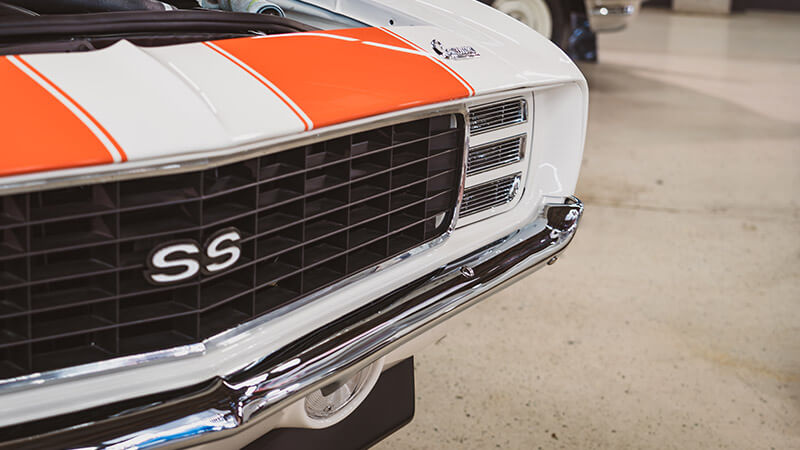
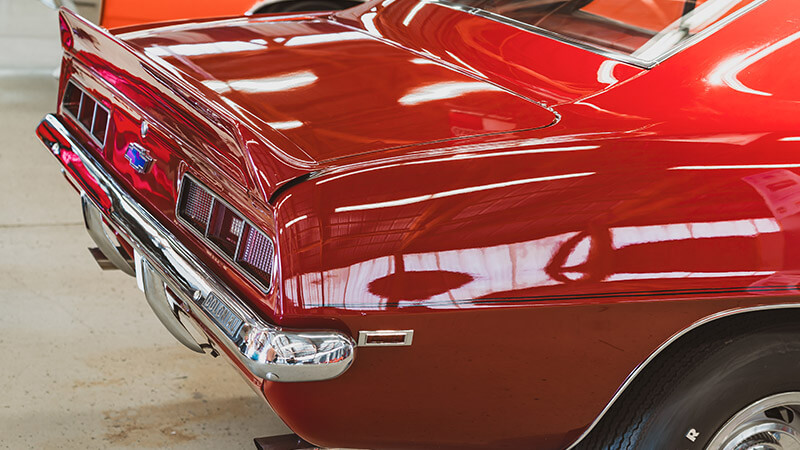
A revised hood was available, including the now-iconic cowl induction hood that improved airflow and performance for select models like the Z/28 and SS. The RS package also saw improvements, with vacuum-operated hidden headlight doors that were more reliable and better integrated. At the rear, the tail lights were inset deeper into new quarter panels, helping to complete the bold redesign that set the '69 model apart from its predecessors.
Interior Enhancements
Inside the cabin, the 1969 Camaro introduced a revised dashboard layout with a more driver-focused instrument panel and reworked HVAC controls for better ergonomics. The updated seats offered improved support and comfort, while the door panels received fresh styling and trim patterns that matched the exterior's sportier look.
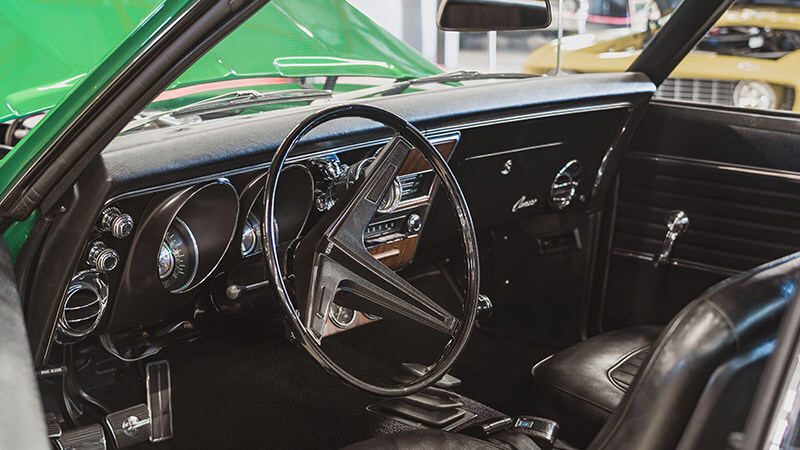
Buyers who opted for the deluxe interior package were treated to woodgrain accents, upscale materials, and additional brightwork that gave the cockpit a more refined feel. Optional features like a center console with auxiliary gauges and an in-dash tachometer added both functionality and performance appeal, especially for those seeking a track-ready setup.
Why Enthusiasts Love the 1969 Camaro
The 1969 Camaro holds a legendary status among muscle car enthusiasts, and it's easy to see why. With its bold redesign, expansive engine lineup, and a variety of trim and performance options, the '69 model offers something for every kind of builder or collector. It marked the peak of first-gen Camaro development, combining the best elements of styling, engineering, and raw performance.
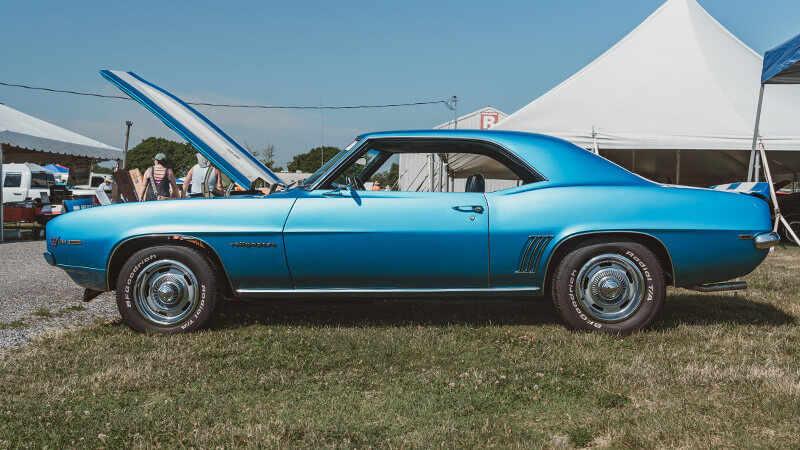
Whether restored to factory spec or reimagined as a restomod, the '69 Camaro is one of the most supported classic cars in the aftermarket world. Its connection to racing history, particularly through the Z/28's success in Trans-Am competition, adds to its appeal. With high resale values, passionate fan communities, and readily available parts, the 1969 Chevy Camaro continues to be a go-to choice for both first-time restorers and seasoned gearheads alike.