

1970 Chevy Chevelle Specs and Overview
Last Updated September 23, 2025The 1970 Chevy Chevelle is widely regarded as one of the most iconic American muscle cars ever produced. With its bold styling, expanded engine lineup, and legendary SS 454 option, the 1970 model year marked the peak of Chevelle performance and design. This article explores the technical specs, highlights the year-specific changes, and explains why the '70 Chevelle remains a top choice for restorers and muscle car enthusiasts.
1970 Chevy Chevelle Specs and Technical Overview
| Category | Details |
|---|---|
| Model Year | 1970 (Second generation, mid-cycle refresh) |
| Engine Options |
250ci Inline-6 (155 hp) 307ci V8 (200 hp) 350ci V8 (250-300 hp) 402ci V8 (330 hp) 454ci V8 (360-450 hp) (new for 1970) |
| Transmission Options | 3-speed manual, 4-speed manual, 2-speed Powerglide auto, 3-speed Turbo Hydra-Matic |
| Horsepower Range | 155 hp - 450 hp |
| Suspension | Independent front suspension, 4-link coil spring rear suspension |
| Brakes | Front disc brakes optional, rear drum brakes standard |
| Performance Packages | SS 396, SS 454 (new for 1970), Z15 RPO (LS6) |
| Wheelbase | 112 inches (coupes), 116 inches (wagons/sedans) |
| Weight | Approximately 3,300 - 3,900 lbs depending on configuration |
New Features for the 1970 Model Year
The 1970 model year introduced several major changes to the Chevelle lineup, both visually and mechanically. These updates not only increased performance but also gave the Chevelle a more aggressive presence on the street. Below, we explore what made the '70 model stand out from previous years.
Exterior Design
One of the most noticeable updates for 1970 was the redesign of the front and rear ends. The dual headlight setup was now housed in squared-off bezels with a more pronounced forward-thrusting grille, giving the car a bolder and more muscular face.
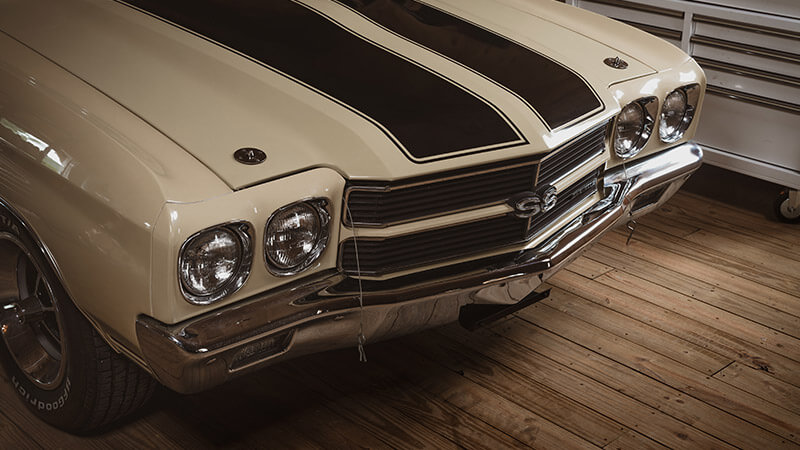
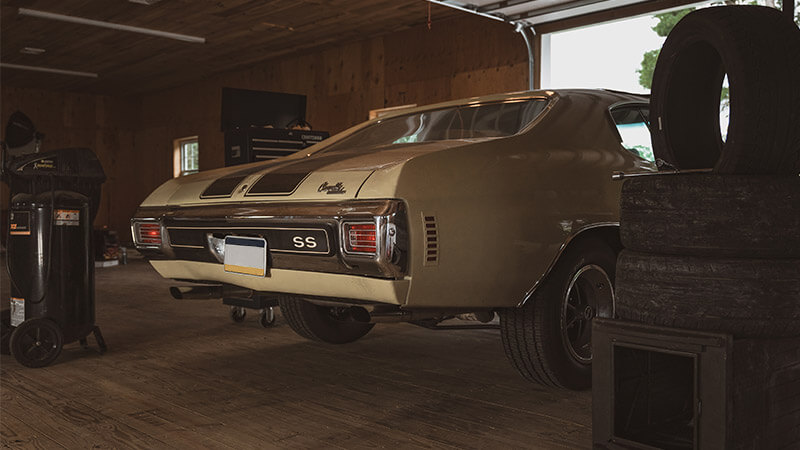
The rear featured newly styled taillights integrated into a reshaped bumper. SS models were further distinguished by cowl induction hoods, blacked-out grilles, and bold “SS” badging. These design tweaks helped the Chevelle stand apart in an increasingly competitive muscle car market.
Interior Updates
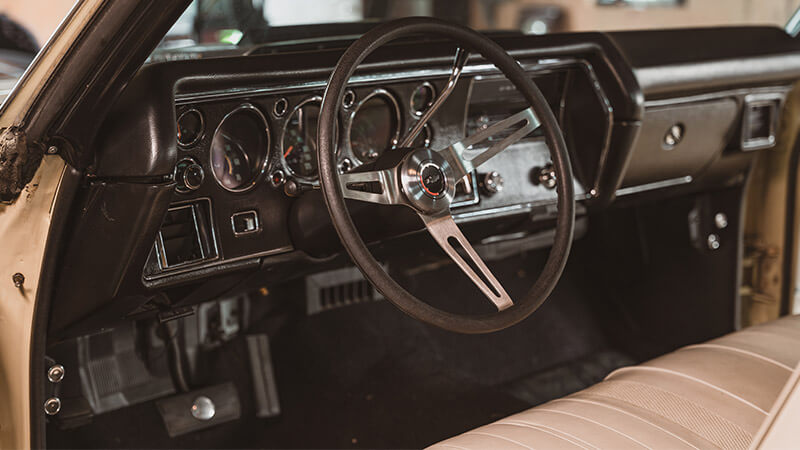
Inside the cabin, the 1970 Chevelle featured revised upholstery patterns and trim options that added refinement to its sporty interior. Bucket seats with optional center consoles remained available, while updated instrumentation improved visibility and layout. A new padded dash design helped bring the car into compliance with evolving safety standards. Despite being a performance icon, the Chevelle also retained family-car practicality with available rear seating space, making it a versatile option for buyers who wanted power and comfort in one package.
Performance Enhancements
Perhaps the biggest leap forward for 1970 came in the form of the new 454ci V8 engine. Offered in two versions, the LS5 delivered 360 horsepower while the legendary LS6 cranked out a factory-rated 450 horsepower. This made the LS6 one of the most powerful production engines of the era.

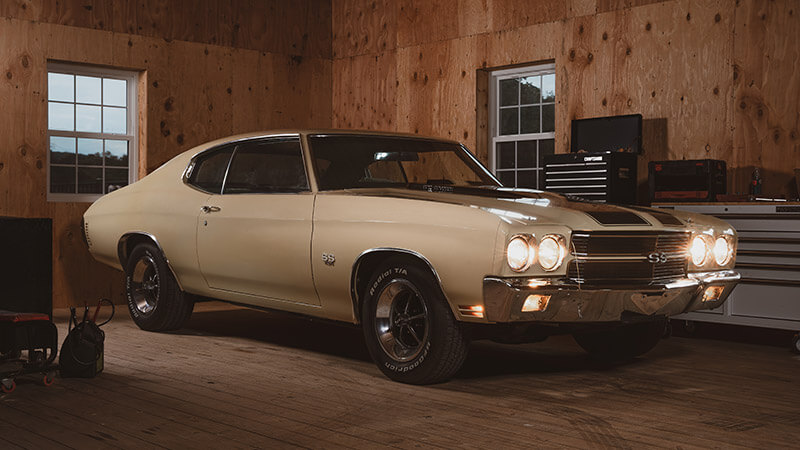
The SS 454 package (Z15 RPO) added heavy-duty suspension, a 12-bolt rear end, and power front disc brakes to match the upgraded performance. The addition of the 402ci V8 (replacing the previous 396ci) also gave buyers more mid-tier powertrain options. Together, these changes made the 1970 Chevelle a hit with enthusiasts.
Why Enthusiasts Love the 1970 Chevelle
The 1970 Chevelle represents the high watermark of GM muscle car performance. For collectors, it's the perfect blend of raw horsepower and aggressive styling. The LS6-equipped SS 454 is especially sought after for its rarity and unmatched factory power output. Builders appreciate the car's robust platform, roomy engine bay, and the immense aftermarket support for restoration or customization. From concours-correct restorations to modern Pro-Touring builds, the '70 Chevelle continues to captivate muscle car fans more than five decades after its debut.


