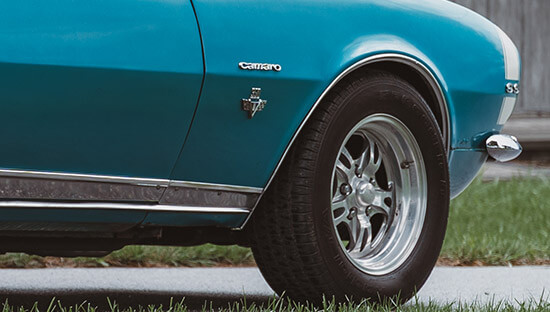

1972 Chevy Camaro Specs and Overview
Last Updated October 23, 2025The 1972 Chevy Camaro continued the second-generation styling and performance layout, but it faced increasing challenges from government regulations, labor strikes, and shifting market conditions. Despite these hurdles, the 1972 model retained its street cred with aggressive looks and a still-strong engine lineup. This article explores the specs, year-specific changes, and why the 1972 Camaro holds a unique place in the muscle car timeline.
| Category | Details |
|---|---|
| Model Year | 1972 (Second-generation continuation) |
| Engine Options |
250ci Inline-6 (110 net hp) 307ci V8 (130 net hp) 350ci V8 (165–255 net hp) 396ci V8 (240 net hp, SS only) |
| Transmission Options | 3-speed manual, 4-speed manual, 3-speed Turbo Hydra-Matic automatic |
| Horsepower Range | 110 hp – 255 hp (net rating) |
| Suspension | Independent front, rear leaf spring with staggered shocks |
| Brakes | Front disc, rear drum |
| Performance Packages | Z28, RS, SS |
| Wheelbase | 108 inches |
| Weight | Approximately 3,300 – 3,700 lbs depending on configuration |
New Features for the 1972 Model Year
The 1972 Camaro may look nearly identical to its 1971 counterpart, but several key changes occurred under the skin. Most of them were regulatory, and some were the result of production disruptions that impacted overall output.
Exterior Design
Visually, the 1972 Camaro carried over the same body styling introduced in 1970. RS models still featured the popular split bumper front end. New federally mandated bumper standards would not take effect until 1973, so this was the final year for the clean, chrome-heavy second-gen appearance. Small changes included new emblems and updated paint options, but most design elements remained intact.

Interior Updates
The interior retained the familiar wraparound dash and low bucket seating layout. One of the most notable interior changes was the revised seat belt system, which now included an interlock that prevented the car from starting unless belts were fastened. Instrumentation was also revised slightly to match new standardization requirements, and more vehicles came equipped with warning lights and emissions-related equipment.
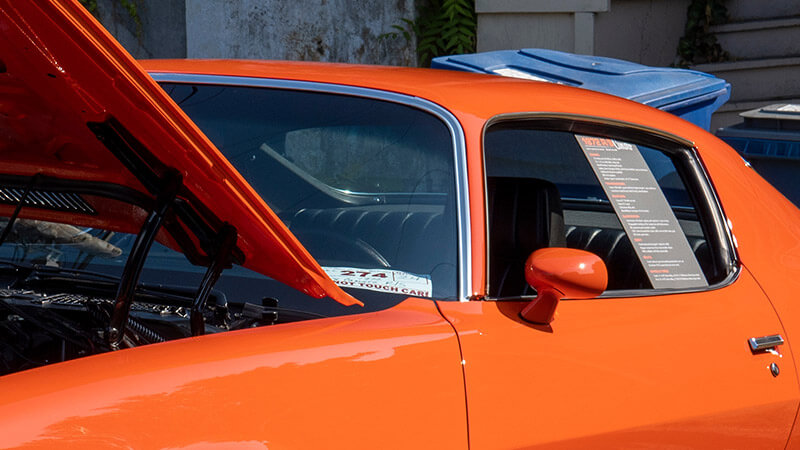
Performance Adjustments
The biggest change for 1972 was the switch from gross horsepower ratings to net horsepower, which reflected a more realistic measurement of engine output with accessories installed. This made power numbers look significantly lower, even though the real-world performance was mostly unchanged. The Z28 now produced 255 net hp from its solid-lifter 350ci small block. The SS 396 (actually a 402ci engine) dropped to 240 net hp. Fewer Z28 and SS models were built this year due to a 117-day strike that cut production numbers drastically.

Why Enthusiasts Love the 1972 Camaro
The 1972 Camaro is one of the last second-gen models to feature the original styling before bumper regulations and emissions changes took a heavier toll. While factory power numbers appear lower due to rating method changes, these cars still perform well and offer the same aggressive look and feel as earlier years. The limited production numbers also make 1972 models more collectible today, especially in Z28 or SS trim. For restorers and muscle car fans, the 1972 Camaro strikes a balance between vintage appeal and growing rarity.