
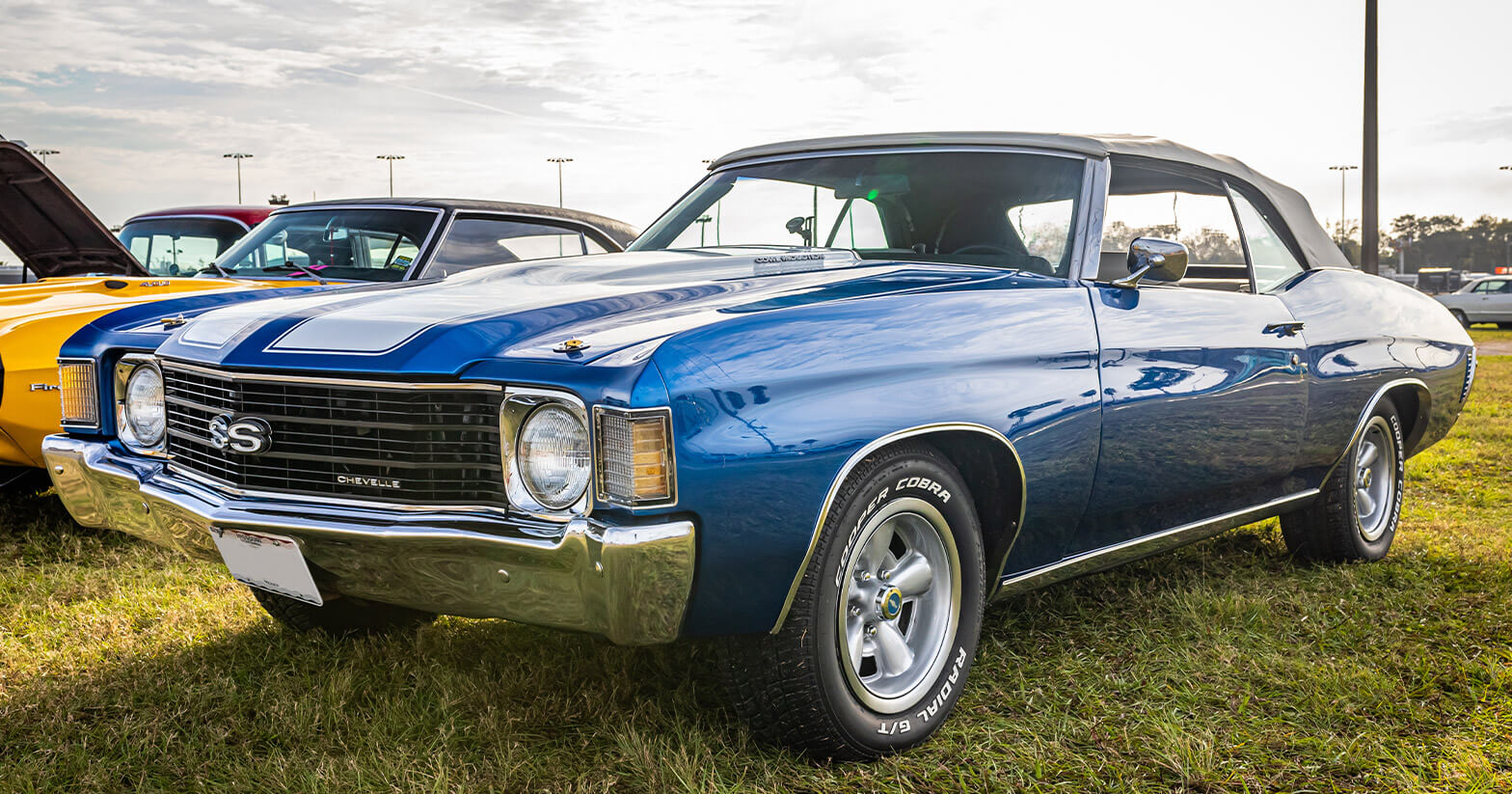
1972 Chevy Chevelle Specs
Last Updated November 14, 2025The 1972 Chevelle marked the end of an era. It was the final model year to feature the original second-generation body before upcoming safety and emissions regulations would reshape the Chevelle—and the entire muscle car market. Though rated horsepower numbers dropped due to a switch from gross to net ratings, real-world performance remained solid. The styling, performance, and variety offered in 1972 make this Chevelle a worthy sendoff to the golden age.
| Component | Details |
|---|---|
| Engine Options |
250ci I6 (110 net hp) 307ci V8 (130 net hp) 350ci V8 (165–175 net hp) 402ci V8 (240 net hp) 454ci V8 (270 net hp) |
| Transmissions | 3-speed manual, 4-speed manual, Turbo Hydra-Matic |
| Horsepower Ratings | 110 hp – 270 hp (net) |
| Wheelbase | 112 inches (coupe), 116 inches (sedan/wagon) |
| Body Styles | 2-door coupe, convertible, 4-door sedan, station wagon |
Year-Specific Styling and Mechanical Changes
Final Year for Classic Front and Rear Styling
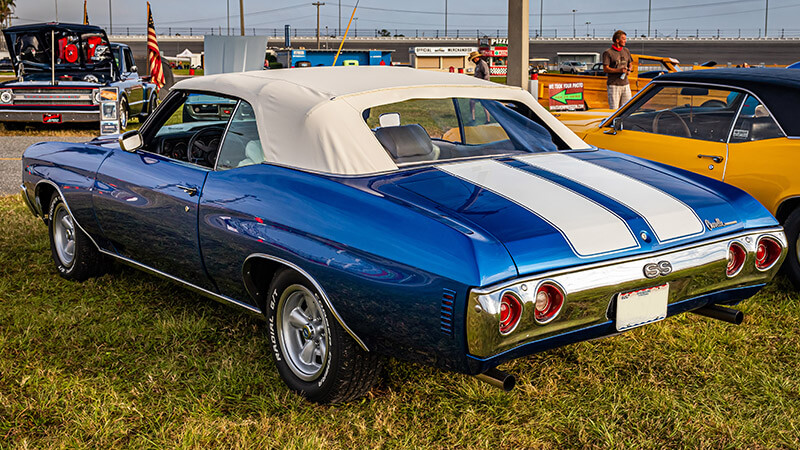
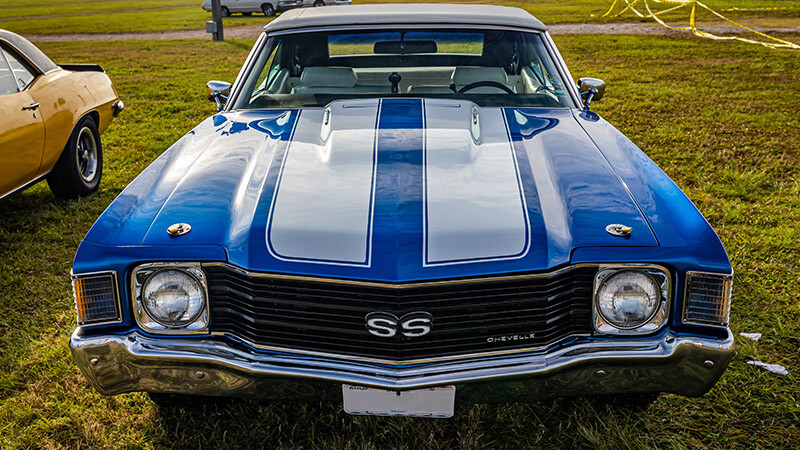
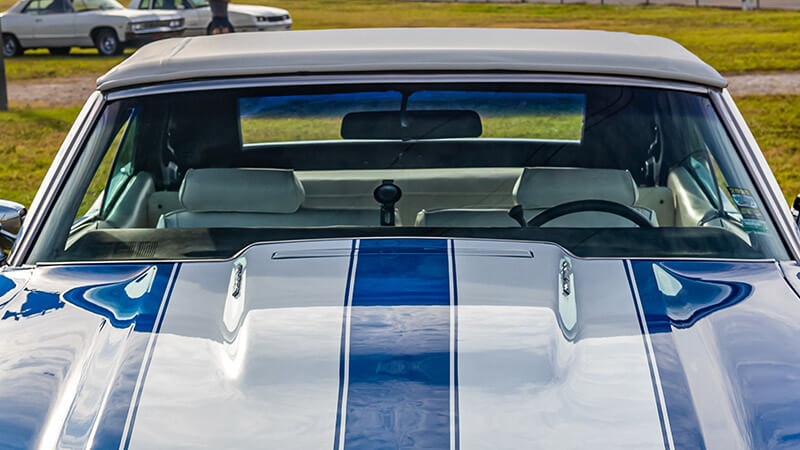
The 1972 Chevelle retained the twin headlight, quad-taillight design of the previous two years. Minor revisions were made to the grille and badges, and SS versions carried over much of the visual flair with cowl induction hoods, blackout trim, and stripe packages. Bumper impact standards wouldn’t arrive until 1973, so the clean body lines remained intact for one last year.
Net Horsepower Ratings and the Confusion They Caused
This was the first year that Chevy switched from gross to net horsepower ratings, giving the appearance of large power losses. In reality, engines like the LS5 454 and L48 350 still performed well on the street. However, these lower numbers made many consumers think muscle was dead, when it was really just being redefined on paper.
Interior Features and Safety Updates
The 1972 Chevelle added a federally mandated seatbelt interlock system, along with standard head restraints. Bucket seats, optional consoles, full gauge clusters, and even air conditioning were available. While performance was slowly giving way to comfort, the Chevelle still had a foot in both worlds.
Why Enthusiasts Still Respect the 1972 Chevelle
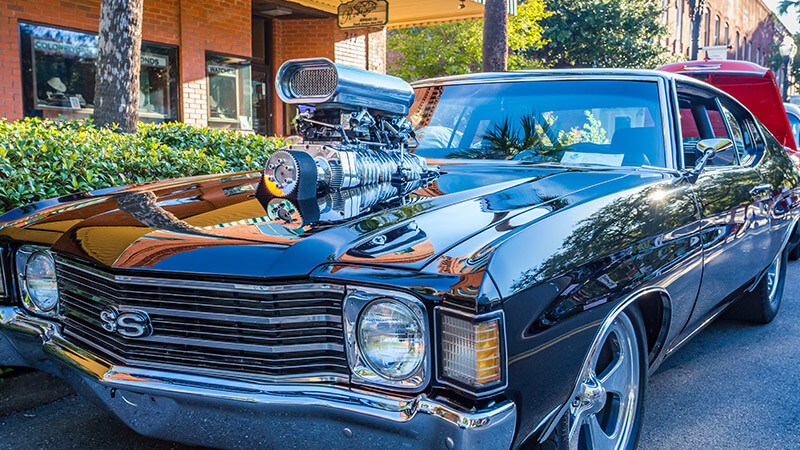
The 1972 model is a favorite for builders and restorers who want classic styling without the premium pricing of a 1970 or the emissions headaches of post-1973 models. It looks the part, drives strong with the right build, and offers great parts availability. Whether you’re doing a numbers-matching restoration or a Pro Touring restomod, the ’72 Chevelle gives you the best of the pre-regulation era with just a little more breathing room.


