1970-1981 Chevy Camaro Generation Breakdown
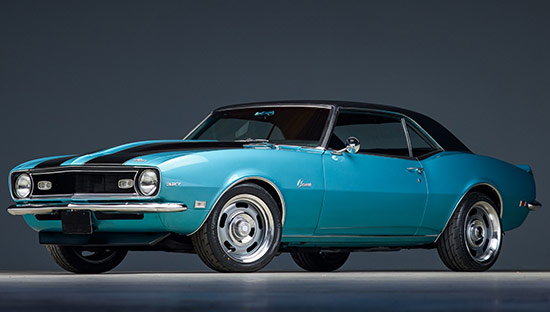
Last Updated April 23, 2026The second generation Chevy Camaro marked a major shift in both design and performance compared to the original model. Introduced in 1970, this generation featured a completely new body style, improved handling, and a more refined driving experience.
Produced through 1981, the second generation Camaro evolved significantly over its lifespan. Early models focused on high performance, while later years adapted to changing emissions regulations and fuel economy demands. Despite these changes, the 2nd gen Camaro remains a popular platform for restoration and performance builds.
2nd Generation Camaro Specifications
| Specification | Details |
|---|---|
| Production Years | 1970 to 1981 |
| Body Style | 2 door coupe |
| Platform | GM F-body |
| Engine Options | Inline 6, small block V8, big block V8 |
| Transmission Options | 3 speed manual, 4 speed manual, automatic |
| Notable Packages | RS, SS, Z28, LT-1 |
1970 to 1973: High Performance Era
The early years of the second generation Camaro are often considered the peak of its performance potential. The 1970 model introduced a longer, lower, and wider body design with a European-inspired look that set it apart from the first generation.
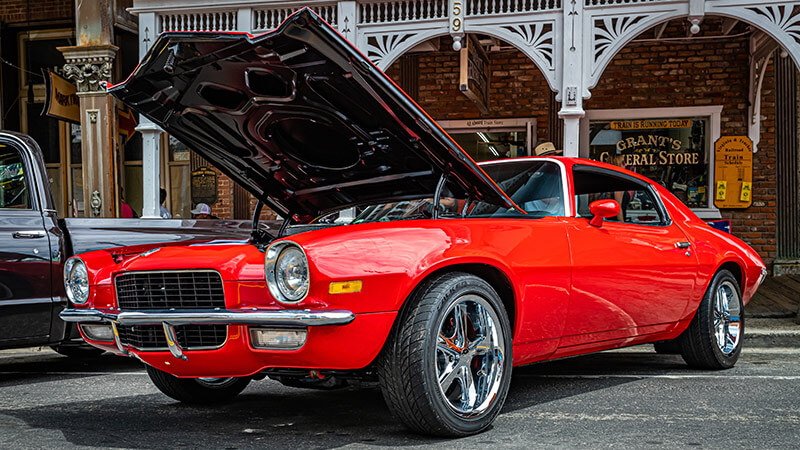
Engine options included powerful small block and big block V8s, with the LT-1 350 and 396 big block delivering strong performance. The Z28 package returned with a focus on handling and high RPM performance, making it a favorite among enthusiasts.
These early models combined aggressive styling with serious performance, making them some of the most desirable 2nd gen Camaros today.
1974 to 1977: Styling Changes and Emissions Impact
In 1974, the Camaro received a significant facelift to meet new safety regulations. Larger front and rear bumpers were introduced, which changed the overall look of the car and made it appear heavier compared to earlier models.
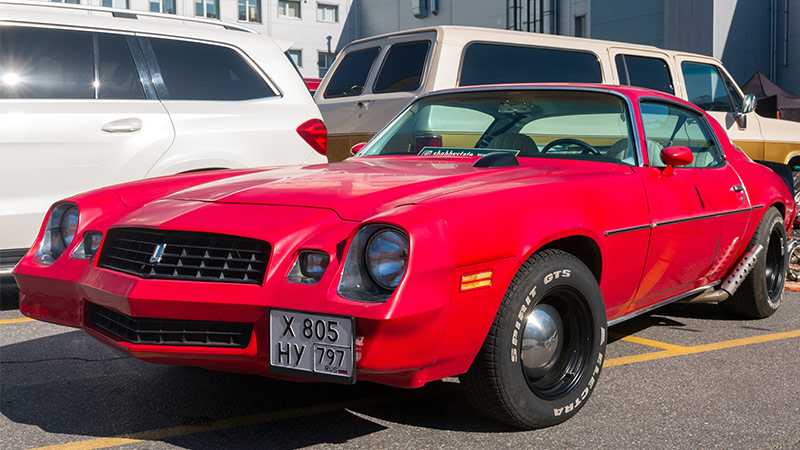
During this period, performance began to decline due to stricter emissions standards and lower compression ratios. While V8 engines were still available, horsepower ratings dropped compared to the early 1970s models.
Despite these changes, the Camaro remained popular thanks to its styling and continued refinement.
1978 to 1981: Refinement and Late Generation Updates
The late years of the second generation Camaro brought further styling updates and improvements. The 1978 model introduced a redesigned front end and rear styling, giving the car a more modern appearance.
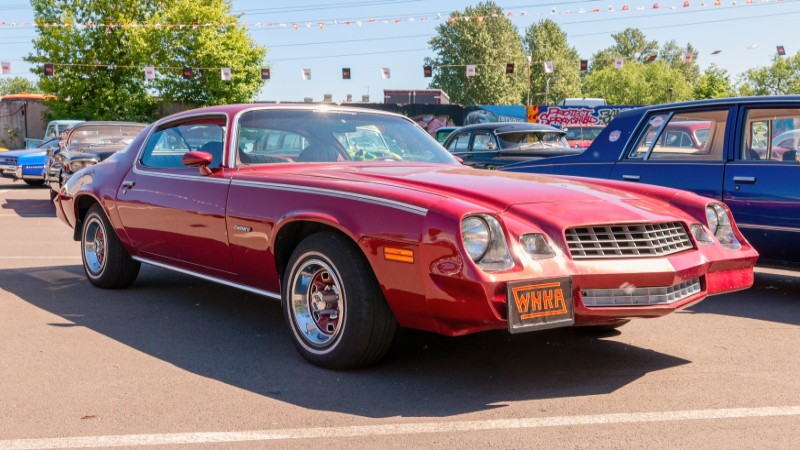
The Z28 package became the primary performance model during this period, offering improved styling and upgraded components even as overall horsepower remained lower than earlier years.
By the end of the generation in 1981, the Camaro had evolved into a more refined and comfortable car, with a greater focus on drivability and everyday usability.
Engine Options and Performance Trends
The second generation Camaro offered a wide range of engines throughout its production. Early models featured high compression small block and big block V8s that delivered strong horsepower and performance.
As emissions regulations tightened, engine output decreased, and Chevrolet shifted toward more efficient and lower compression designs. Despite this, the platform remained capable, and many enthusiasts today upgrade these engines for improved performance.
Special Editions and Performance Packages
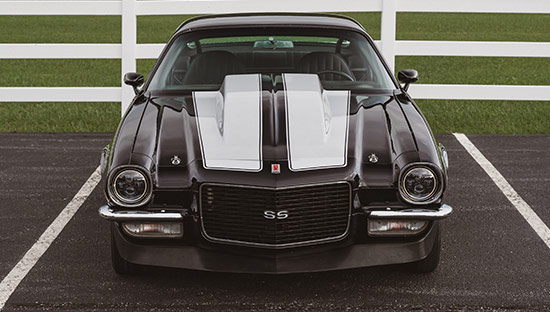
The second generation Camaro featured several notable packages and special editions. The RS package focused on appearance, while the SS models were available primarily in the early years with big block power.
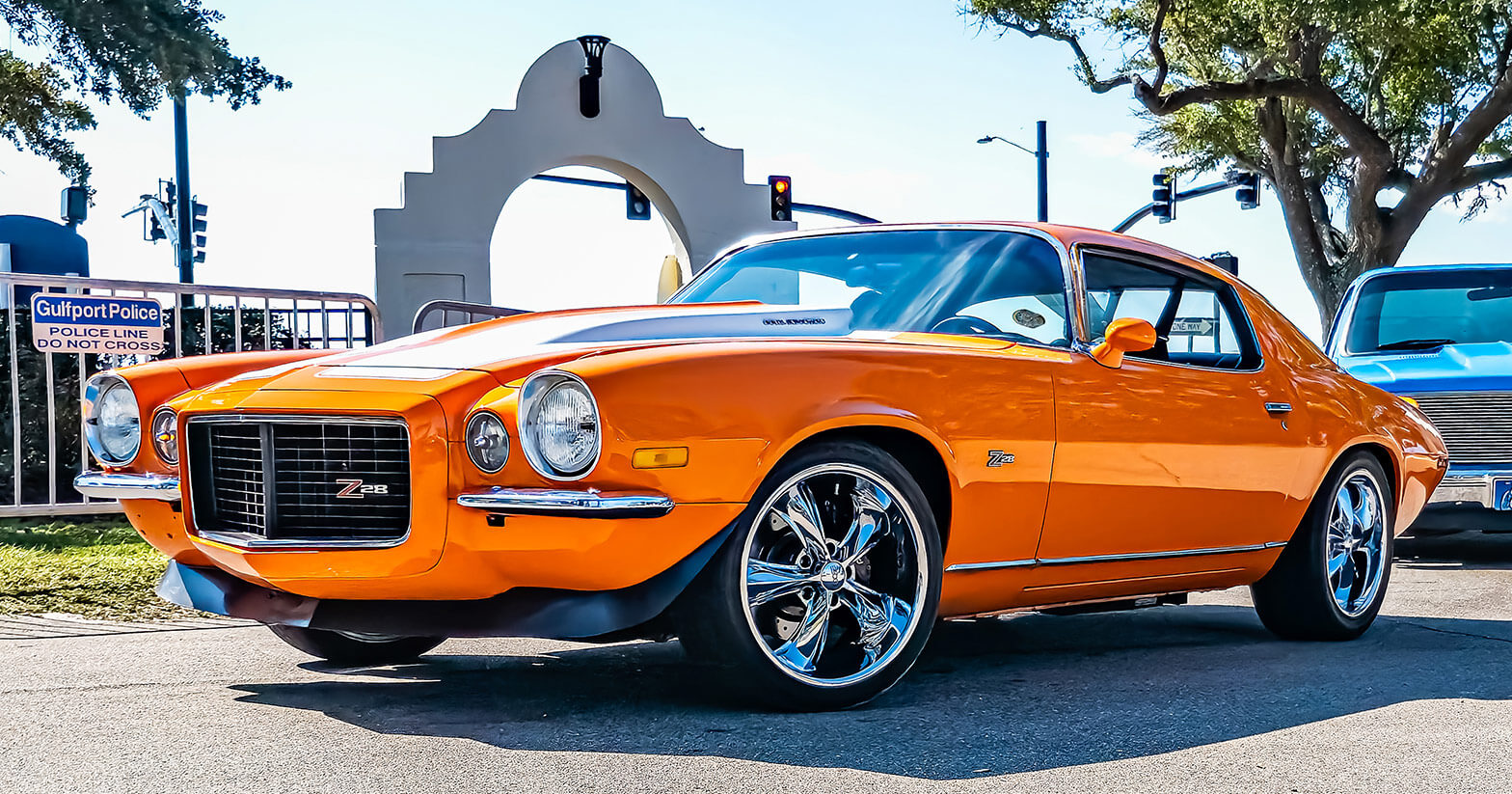
The Z28 became the most recognizable performance model, especially in later years, combining styling upgrades with improved handling. The LT-1 engine option in the early 1970s is particularly well regarded for its performance and high revving characteristics.
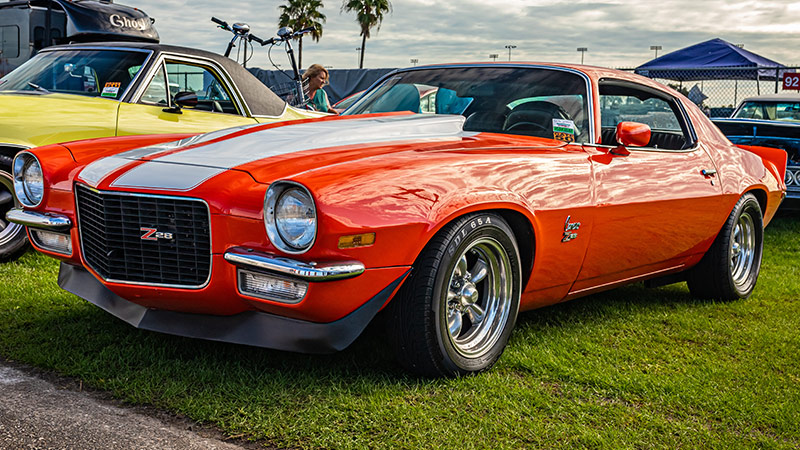
These packages contribute to the collectability and variety found within the 2nd generation lineup.
Why the 2nd Generation Camaro Is Still Popular
The 1970 to 1981 Camaro remains a popular choice due to its unique styling, strong aftermarket support, and versatility. Early models appeal to performance enthusiasts, while later models are often used as affordable starting points for restoration and restomod builds.
Whether you are building a period correct Z28 or creating a modern LS swapped project, the second generation Camaro offers a solid foundation with plenty of potential.