Best Chevy Chevelle Restoration Upgrades (1964-1972)
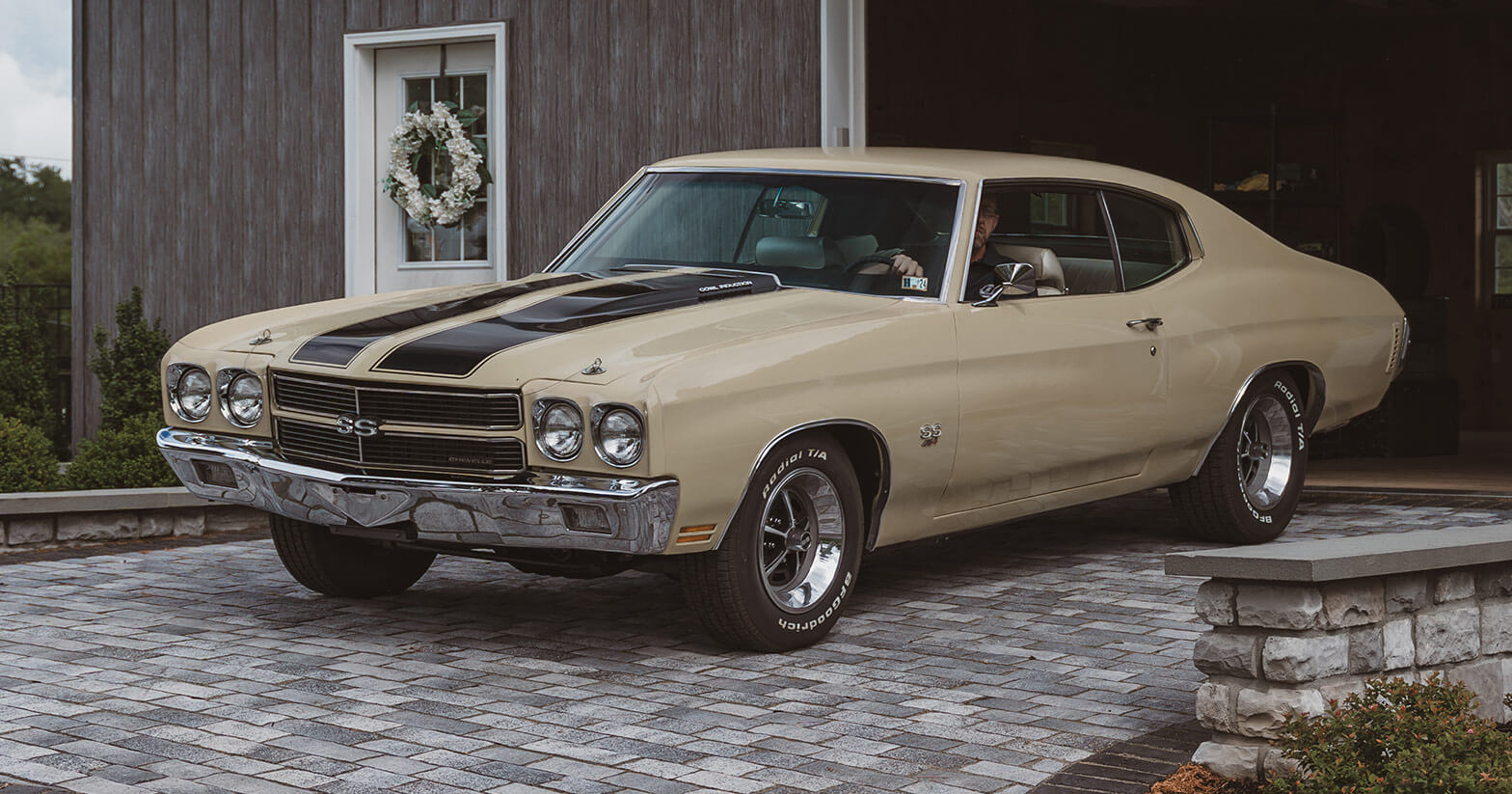
Last Updated April 17, 2026Restoring a classic Chevy Chevelle means addressing years of wear, rust, and aging components while bringing the car back to its original look and feel. Whether you are working on a full frame-off restoration or refreshing a driver, focusing on the right areas can make a major difference.
Trunk Floor Pans
Rust in the trunk area is a common issue for classic Chevelles. Years of moisture exposure can lead to weak or corroded metal, which affects both appearance and structural integrity.

Replacing the trunk floor pan restores strength and gives you a clean foundation for the rest of your restoration. It is one of the most important repairs for long term durability.
Quarter Panels
Rust and body damage in the rear quarter panels are common on classic Chevelles, especially around the wheel arches and lower sections. These areas are prone to moisture buildup and road debris, which can lead to corrosion over time.

Replacing damaged quarter panels restores the clean body lines of your Chevelle and dramatically improves its overall appearance. It is a key step in any high quality exterior restoration.
Seat Upholstery and Interior Kits
Interior wear is one of the most noticeable issues in a classic Chevelle. Faded upholstery, worn seat foam, and damaged trim can take away from the overall look of the car.

Installing new seat upholstery or a complete interior kit restores the factory appearance and comfort, making your Chevelle feel like new again.
Chrome Trim and Exterior Molding
Exterior trim pieces such as moldings, emblems, and chrome accents often become pitted, faded, or damaged over time. These details play a major role in the overall appearance of your Chevelle.

Replacing worn trim helps bring back the clean, finished look of the car and completes the restoration.
Fuel Tank and Sending Unit
Old fuel systems can cause a variety of problems, including poor engine performance and inaccurate fuel readings. Rust and debris inside the tank can also lead to long term reliability issues.

Installing a new fuel tank and sending unit ensures proper fuel delivery and accurate gauge readings, helping make your Chevelle more dependable.
Choosing the Right Restoration Mods for Your Chevelle
The best restoration upgrades depend on your car’s condition. Structural repairs like floor and trunk pans should come first, followed by exterior and interior restoration. Addressing these key areas helps ensure your Chevelle is both reliable and visually complete.