

Chevy 283 Engine Specs
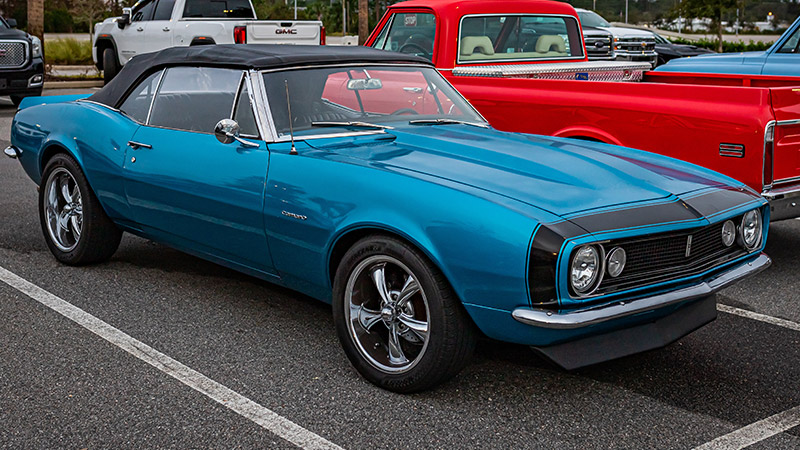
Last Updated February 4, 2026The Chevy 283 small block V8 helped establish Chevy as a performance leader in the late 1950s and early 1960s. Known for its lightweight design and willingness to rev, the 283 appeared in early Camaros, Chevelles, and a wide range of Chevy passenger cars. While smaller and less powerful than later small blocks, it remains a favorite among enthusiasts who value period correct performance and classic drivability.
Chevy 283 Engine Specifications
The following table has everything you need to know about the small block Chevy 283 engine.
| Specification | Details |
|---|---|
| Displacement | 283 cubic inches |
| Bore x Stroke | 3.875 in x 3.00 in |
| Production Years | 1957 to 1967 |
| Factory Horsepower | 170 to 315 hp depending on configuration |
| Compression Ratio | Approximately 8.5 to 10.5:1 |
| Notable Applications | Early Camaro, early Chevelle, and full size Chevy models |
History of the 283 Small Block
When the 283 arrived in 1957, it marked a major step forward for Chevy engine development. It featured improved cylinder head design and better breathing compared to the earlier 265 small block. Performance oriented versions soon followed, including dual quad and fuel injected options that helped the engine reach the milestone of one horsepower per cubic inch.
By the mid 1960s, the 283 served as the entry level V8 in many Chevy models. As larger small blocks like the 327 and 350 entered the lineup, the 283 transitioned into more economical roles but remained a reliable and flexible platform for enthusiasts.
Although eventually phased out in favor of higher displacement engines, the 283 retains a strong following for its smooth revving character and historical importance.
283 Small Block Performance Characteristics
The 283 produces modest torque but revs willingly, making it feel lively in lightweight cars. With its short 3.00 inch stroke and relatively large bore for its era, the engine responds well to basic upgrades such as improved intake systems, modern carburetion, and freer flowing exhaust components.

Strengths of the Chevy 283 Engine
The Chevy 283 small block is known for its high revving, lightweight design and smooth, responsive power delivery. It offers excellent drivability in classic street cars and is especially well suited for period correct restorations. While not a high horsepower engine by modern standards, the 283 responds well to mild camshaft and induction upgrades, making it a rewarding platform for enthusiasts who value character and authenticity over raw output.
Weaknesses of the Chevy 283 Engine
The main drawbacks of the Chevy 283 come down to displacement and power potential. In stock form, it produces less horsepower than larger small blocks like the 327 and 350, and its smaller displacement limits how much power it can realistically make. While performance upgrades are possible, the 283 is not ideal for high horsepower goals without extensive modification, which often makes larger small block engines a more practical choice for serious performance builds.
Is the 283 a Good Swap Candidate?
The 283 is an excellent choice for authenticity focused builds. If you are restoring an early Camaro or Chevelle and want the correct look, sound, and driving feel of the early 1960s, the 283 is a strong fit. It is also a fun option for lightweight street cars where throttle response matters more than raw torque.
Best Uses for a 283 Swap
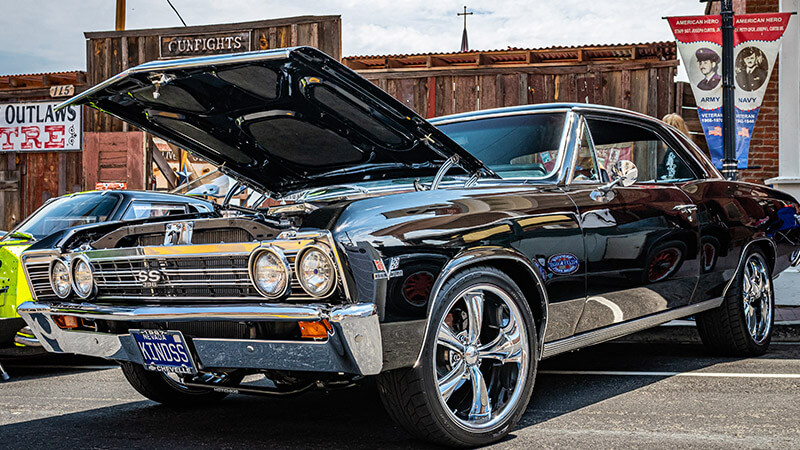
The Chevy 283 is best suited for period correct restorations, lightweight classic cruisers, and vintage themed builds that prioritize originality over maximum power. Its smooth drivability and high revving nature make it a great match for early Camaros, Chevelles, and other classic Chevys where authenticity and driving character matter more than outright performance.
When to Choose a Different Engine
You may want to choose a different engine if your goals include higher horsepower with minimal modification, plans for significant future upgrades, or the need for strong low end torque. In those cases, larger small block options like the 327 or 350 are typically better suited, offering more power potential and flexibility without sacrificing reliability.
Factory Models Equipped with the 283
The 283 appeared across a wide range of Chevy vehicles from the late 1950s through the mid 1960s:
- 1967 Camaro base V8 models
- 1964 to 1967 Chevelle and Malibu
- Early Impala, Bel Air, and Biscayne models
- Various Chevy wagons and passenger cars
Should You Build a 283?
The 283 is a beloved small block that offers great character and drivability. While it cannot match the horsepower potential of larger engines, it delivers a classic feel that many enthusiasts prefer. It is a rewarding engine for restorations and for drivers who appreciate smooth response and vintage performance.
If your goal is maximum horsepower or you want room for significant upgrades, a 327, 350, or 400 based build will be a better match and will generally cost the same or less to modify effectively.


