
Chevy 302 Engine Specs
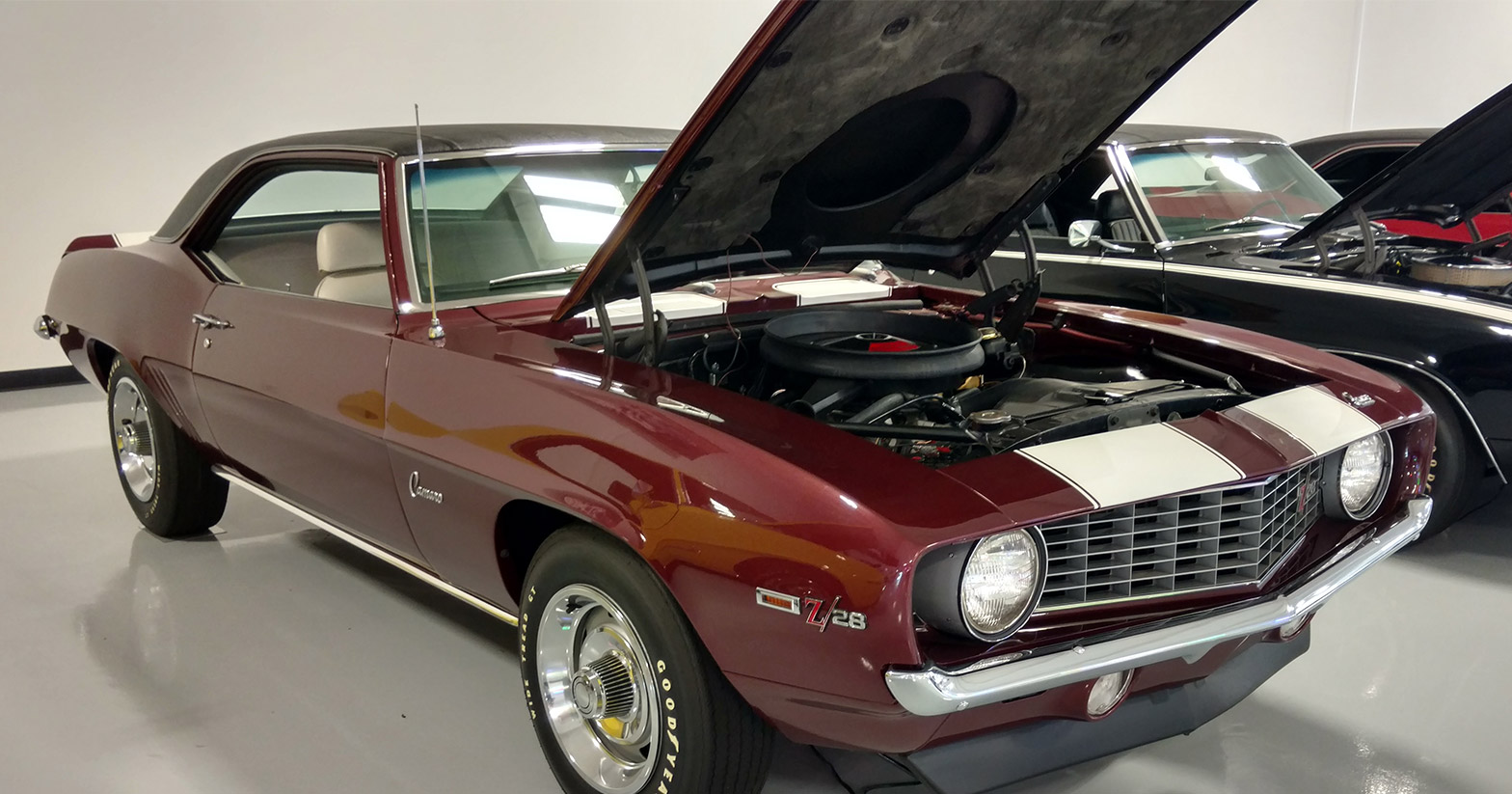
Last Updated March 26, 2026The Chevrolet 302 cubic inch small block V8 was a high-revving, race-ready engine created with one purpose: to dominate the SCCA Trans-Am racing series. Introduced in 1967 and produced through 1969, this engine was built specifically for the first-generation Camaro Z/28, but its influence extended well beyond street cars into the realm of professional racing and motorsport history.

| Specification | Detail |
|---|---|
| Displacement | 302 cu in (4.9 L) |
| Bore x Stroke | 4.00 in x 3.00 in (101.6 mm x 76.2 mm) |
| Compression Ratio | 11.0:1 |
| Valvetrain | Solid-lifter camshaft (“30-30 Duntov”), pushrod OHV |
| Cylinder Heads | Double-hump “Fuelie” heads with 2.02"/1.60" valves |
| Carburetion | Holley 780 cfm 4-barrel (stock); Dual 600 cfm Holleys (cross-ram setup, optional) |
| Horsepower (Factory Rated) | 290 hp @ 5800 RPM (SAE Gross) |
| Torque | 290 lb-ft @ 4800 RPM |
| Actual Output | Estimated up to 376 hp with tuning; up to 465 hp in race trim |
| Block/Crank | Forged steel crankshaft, 4-bolt main, large-journal bearings (from 1968) |
| Weight | Approx. 510 lb (230 kg) |
Defining Features
The 302 small block was purpose-built with high-performance racing in mind. Chevrolet designed the engine with a short-stroke configuration that allowed it to rev quickly and withstand the rigors of high-RPM operation. Components like the forged "pink" connecting rods, forged aluminum pistons, and tufftride-hardened crankshaft ensured long-lasting durability under track conditions.

The engine also included a solid-lifter "30-30 Duntov" camshaft, high-flow double-hump cylinder heads, and a high-rise aluminum intake manifold that enhanced airflow and combustion efficiency. A high-rpm harmonic balancer and deep-groove pulleys helped retain belts at elevated speeds. Though emissions regulations loomed, the 302 still managed to feature a PCV system and ignition timing advancements via a vacuum diaphragm-equipped distributor.
Applications
The Chevrolet 302 engine was exclusive to the 1967-1969 Camaro Z/28, which was developed specifically to qualify for SCCA Trans-Am competition. Though not officially installed in other production vehicles, the engine did appear in limited racing use within the Corvette lineup and was made available as a service parts package for professional race teams.
Beyond factory applications, the 302 became widely adopted in Formula 5000 open-wheel race cars, endurance racers like the Lola T70, and grassroots oval track race cars. Its popularity in racing stemmed from its combination of reliability, accessibility, and impressive output in a compact, lightweight form.
Why It Was Popular
The 302 was celebrated for its ability to thrive at high RPMs and its potential for tuning. Designed to comply with the 5.0L limit of Trans-Am racing, it struck a balance between race-readiness and production feasibility. Every component used in the street version was carefully engineered to be homologated for racing, making it one of the few engines that could go from showroom to track with minimal modification. With its under-rated factory output of 290 hp and real-world performance figures well beyond that, it delivered the excitement of a race engine with the reliability of a street engine.
Interesting Highlights
One of the most fascinating aspects of the 302 was the cross-ram dual carburetor setup available through Chevrolet dealers. This system mounted two Holley 600 cfm carburetors sideways to increase top-end airflow, pushing output well beyond the 400 hp mark. The engine also benefited from a transistorized ignition system that eliminated breaker points and improved spark stability, particularly valuable at high RPMs.

In the Formula 5000 series, the 302 cemented its reputation by powering some of the world's most thrilling open-wheel racing throughout the late 1960s and early 1970s. Tuned to as much as 550 hp, the 302-powered cars could reach 180 mph and complete 0-60 mph sprints in under three seconds. Not only did it win races, but it also set the benchmark for what a factory-built small block could achieve.
Legacy
The Chevrolet 302 small block V8 remains a standout example of GM's performance engineering during the golden age of muscle cars. It was a purpose-built engine that satisfied both racers and enthusiasts, offering blistering performance in a production package. Though only produced for a short window, its impact on racing and engine development is still felt today. Highly sought after by collectors and builders, the 302 lives on as a symbol of Chevrolet's racing prowess and the enduring appeal of the Z/28 legacy.


