

Chevy 307 Engine Specs
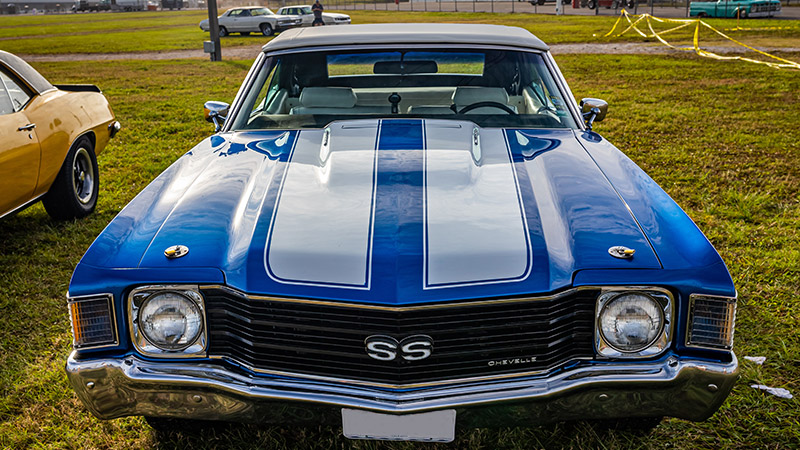
Last Updated February 19, 2026The Chevy 307 small block V8 was introduced in the late 1960s as a reliable, everyday engine designed to replace outgoing mid size V8 options. Built by combining the 283 bore with the 327 stroke, the 307 offered smooth drivability and solid torque, making it a common choice in Chevelle, Nova, and El Camino models. While it was never intended as a high performance engine, the 307 remains relevant today for cruisers and budget-minded classic Chevy builds.
Chevy 307 Engine Specifications
The following table has everything you need to know about the small block Chevy 307 engine.
| Specification | Details |
|---|---|
| Displacement | 307 cubic inches |
| Bore x Stroke | 3.875 in x 3.25 in |
| Production Years | 1968 to 1973 |
| Factory Horsepower | Around 200 hp (gross rating) |
| Compression Ratio | About 9.0:1 depending on year and model |
| Notable Applications | Chevelle, Nova, El Camino, and other GM A and X body cars |
History of the 307 Small Block
Chevy launched the 307 small block in 1968 as part of a broader shift in their V8 lineup. The 283 was fading out, and the 327 was moving into more performance focused roles. The 307 filled the gap as a dependable mid range V8 that balanced cost, power, and emissions considerations for the time.
Unlike the performance oriented engines of the era, the 307 was designed as a workhorse. It used familiar small block architecture, making it durable and easy to service. Despite modest horsepower, it became a popular engine in passenger cars and light duty applications where reliability mattered most.
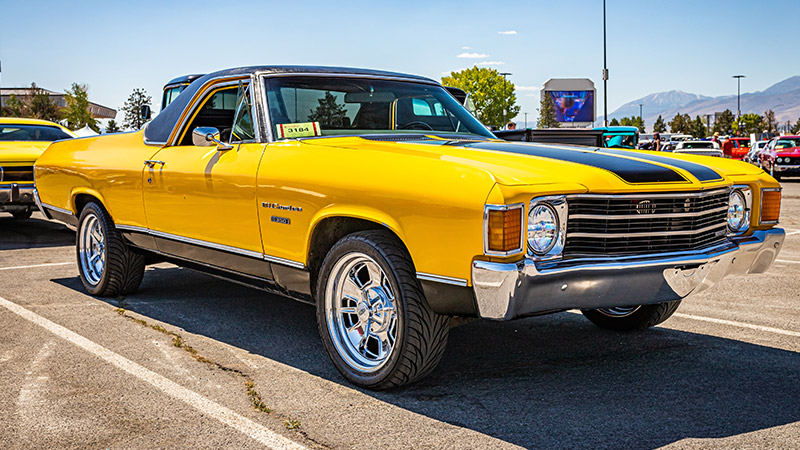
Although production only lasted through 1973, many 307 equipped cars survive today, and the engine still has a dedicated following among enthusiasts who appreciate its smooth manners and affordability.
307 Small Block Performance Characteristics
The 307 offers smooth torque and good drivability, but it is not a high output engine. Its small bore size limits cylinder head selection and airflow potential, which restricts horsepower compared to larger small block engines like the 327 or 350. Still, the 307 responds well to mild upgrades and can be a reliable street engine.
Strengths
- Smooth and reliable power delivery
- Affordable and widely available
- Shares many components with other small blocks
- Good choice for cruisers and factory style restorations
Weaknesses
- Limited cylinder head options due to small bore
- Not ideal for high horsepower performance builds
- Less aftermarket support than 327, 350, or 400 engines
Is the 307 a Good Swap Candidate?
The 307 is perfectly suitable for classic Chevys that prioritize affordability, originality, or daily drivability. It can handle mild upgrades such as a better intake, a small camshaft improvement, or dual exhaust, but it is not the best foundation for serious performance goals.
Best Uses for a 307 Swap
- Budget friendly classic Chevy builds
- Period correct restorations for late 1960s and early 1970s GM vehicles
- Reliable cruiser or weekend driver applications
When to Choose a Different Engine
- If you want significant horsepower potential
- If you plan on upgrading to modern cylinder heads
- If you want strong low end torque for heavier cars
Most enthusiasts choose the 350 or 400 when building for performance because these engines offer better airflow and stronger aftermarket support.
Factory Models Equipped with the 307
The 307 was used widely across GM models during the late 1960s and early 1970s. It appeared in many bread and butter cars rather than halo performance models, which is why it remains common but not especially collectible.
- 1968 to 1972 Chevelle
- 1968 to 1972 El Camino
- 1968 to 1972 Nova
- Various GM A body and X body cars
Should You Build a 307?
The Chevy 307 engine is a dependable and smooth running small block that works well for budget cruisers and classic restorations. While it does not offer the performance potential of a 327 or 350, it can still provide enjoyable street manners and period correct character for the right build.
For high power goals or aggressive driving, a 350 or 400 based engine is usually a better investment, especially since these engines offer far more room for upgrades without significantly increasing cost.


