Chevy LS Engine Breakdown and History
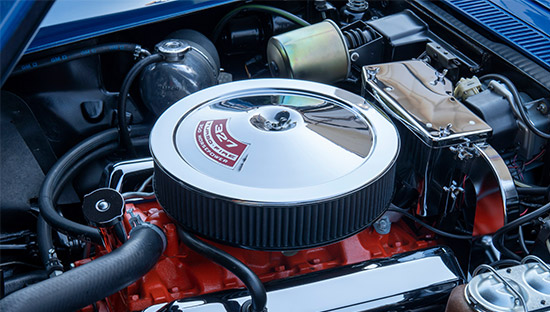
Last Updated April 6, 2026The Chevy LS engine family has become one of the most popular engine platforms for modern performance and classic car swaps. Introduced in the late 1990s, LS engines brought improved efficiency, lighter weight construction, and impressive power potential compared to earlier small block designs.
For owners of classic Camaros, Chevelles, and El Caminos, LS swaps have become a go to upgrade. Whether you are building a reliable street cruiser or a high horsepower restomod, understanding the different LS engines can help you choose the right setup for your build.
What Is the Chevy LS Engine?
The LS engine is part of Chevy's Gen III and Gen IV small block V8 family. While it shares the small block name with earlier engines like the 350, the LS platform is a completely modern design. It features an aluminum or iron block, coil near plug ignition, improved cylinder head design, and advanced fuel injection systems.
Compared to traditional small blocks, LS engines offer better airflow, stronger bottom ends, and greater reliability at higher power levels. These improvements made them the foundation for modern GM performance vehicles and one of the most popular engine swap choices today.
History of the Chevy LS Engine
Chevy introduced the first LS engine, the LS1, in 1997 with the C5 Corvette. The goal was to replace the aging Gen I small block with a more efficient, emissions compliant, and higher performance platform. The LS1 delivered on all fronts with an aluminum block, lightweight design, and strong factory horsepower.

Throughout the 2000s, Chevy expanded the LS lineup to include a wide range of engines for cars, trucks, and performance applications. Displacements increased, cylinder head designs improved, and horsepower climbed steadily. By the time the LS3 and LS7 arrived, the platform had become a dominant force in both factory performance and aftermarket builds.
Today, LS engines are widely available and supported, making them one of the easiest and most effective ways to modernize a classic Chevy.
Chevy LS Engine Family Breakdown
LS1
Displacement: 5.7L (346 cubic inches)
Years: 1997 to 2004
Horsepower: 305 to 350 hp
The LS1 was the first of the LS engines and set the foundation for the entire platform. It features an aluminum block and heads, making it lightweight and well balanced. It remains a popular swap option due to affordability and availability.
LS2

Displacement: 6.0L (364 cubic inches)
Years: 2005 to 2007
Horsepower: 390 to 400 hp
The LS2 improved on the LS1 with increased displacement and power. It offers stronger performance out of the box and is commonly found in Corvette and GTO models.
LS3

Displacement: 6.2L (376 cubic inches)
Years: 2008 to 2017
Horsepower: 430 to 436 hp
The LS3 is one of the most popular LS engines for swaps. It features improved cylinder heads and strong airflow, making it an excellent choice for high performance street builds.
LS6

Displacement: 5.7L
Years: 2001 to 2005
Horsepower: Up to 405 hp
The LS6 is a higher performance version of the LS1, featuring better airflow and internal upgrades. It was used in the Corvette Z06 and is known for its strong high RPM performance.
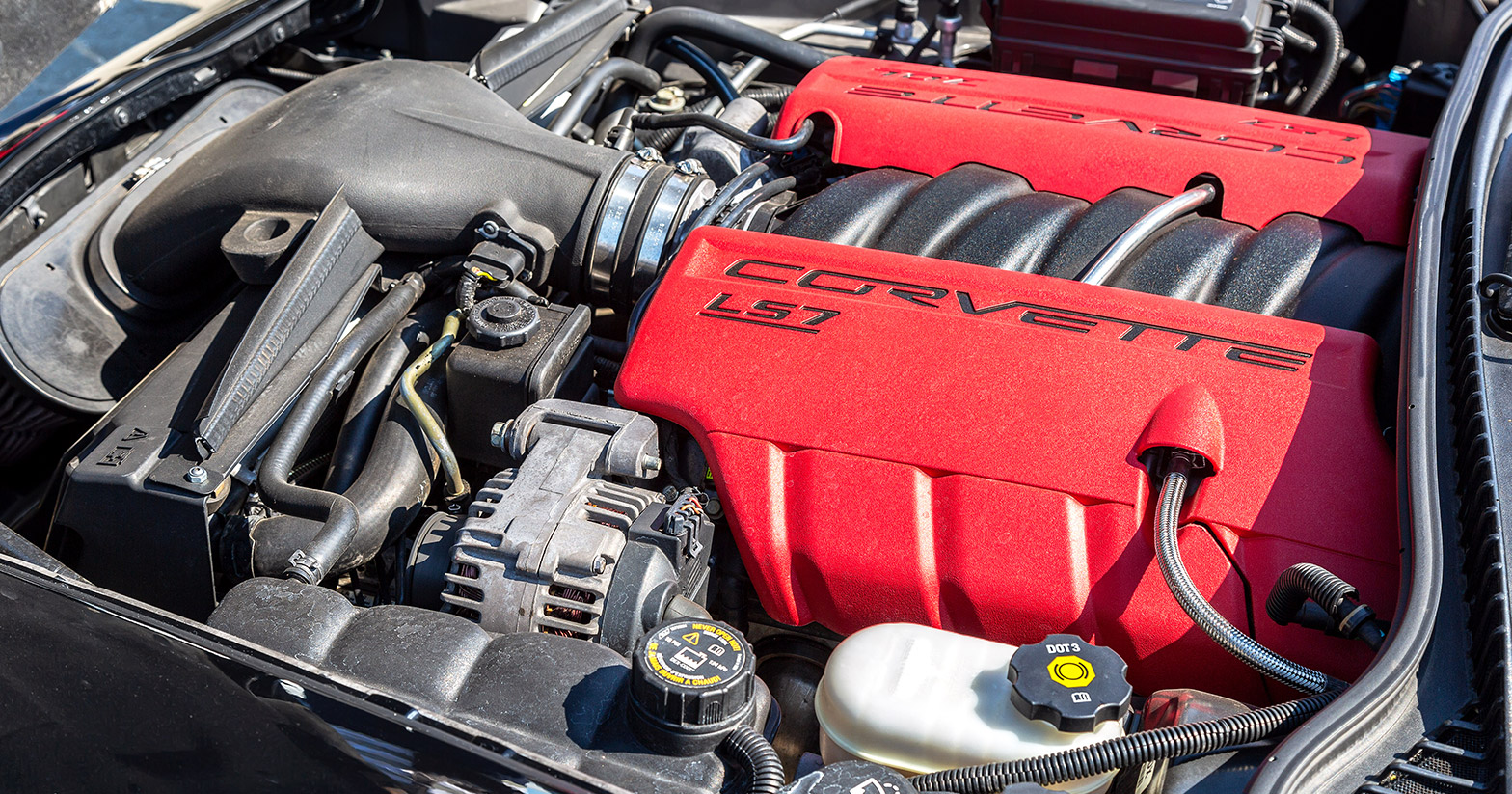
LS7

Displacement: 7.0L (427 cubic inches)
Years: 2006 to 2015
Horsepower: 505 hp
The LS7 is a high performance engine with a large displacement and race inspired components. It features titanium connecting rods and exceptional airflow, making it a top tier choice for serious builds.
LS9

Displacement: 6.2L
Years: 2009 to 2013
Horsepower: 638 hp
The LS9 is a supercharged powerhouse used in the Corvette ZR1. It represents the peak of factory LS performance and delivers extreme power with factory reliability.
Truck LS Engines (LM7, LQ4, LQ9, etc.)
Displacement: 4.8L to 6.0L
Years: Late 1990s through 2000s
Horsepower: 270 to 345 hp
Truck based LS engines are some of the most popular swap candidates due to their affordability and durability. Iron block versions like the LQ4 and LQ9 are especially valued for boosted applications.
Why Swap an LS Engine Into a Classic Chevy?
LS swaps have become extremely popular because they offer modern reliability and performance in a compact package. Compared to older small block engines, LS engines provide better fuel efficiency, smoother operation, and significantly more power potential.
- Modern fuel injection and ignition systems
- Strong aftermarket support and parts availability
- Lightweight aluminum construction in many variants
- Ability to handle high horsepower with stock components
These advantages make LS engines an ideal upgrade for classic Camaros, Chevelles, and El Caminos that are driven regularly or built for performance.
Best LS Engines for Different Builds
Budget Builds
Truck engines like the LM7 or LQ4 are excellent starting points. They are widely available, affordable, and capable of handling upgrades such as cam swaps and forced induction.
Street Performance Builds
The LS2 and LS3 are ideal for street driven classics. They provide strong horsepower out of the box while maintaining reliability and drivability.
High Performance Builds
For serious power, engines like the LS7 or LS9 deliver exceptional performance. These are best suited for high end builds where budget is less of a concern.
Balanced Restomod Builds
The LS1 remains a solid all around option. It offers a good balance of cost, weight, and performance, making it a popular choice for first time LS swaps.

Is an LS Swap Right for Your Classic Chevy?
An LS swap is one of the most effective ways to modernize a classic Chevy. It provides improved reliability, better fuel efficiency, and the ability to easily add horsepower as your build evolves.
While traditional small blocks still have their place in restoration focused projects, LS engines offer unmatched versatility for restomod builds. Whether you are upgrading a Camaro, Chevelle, or El Camino, the LS platform gives you a strong foundation for modern performance in a classic package.