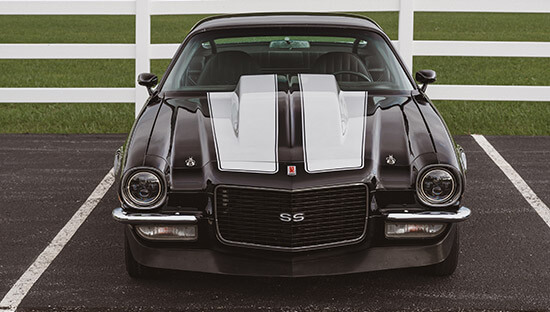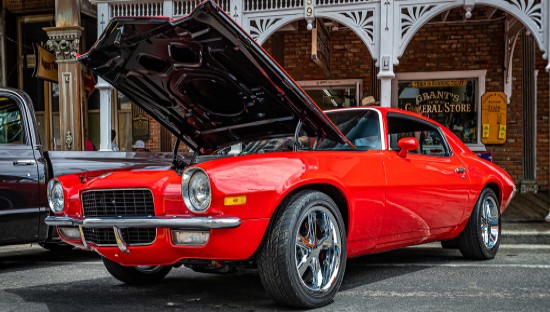
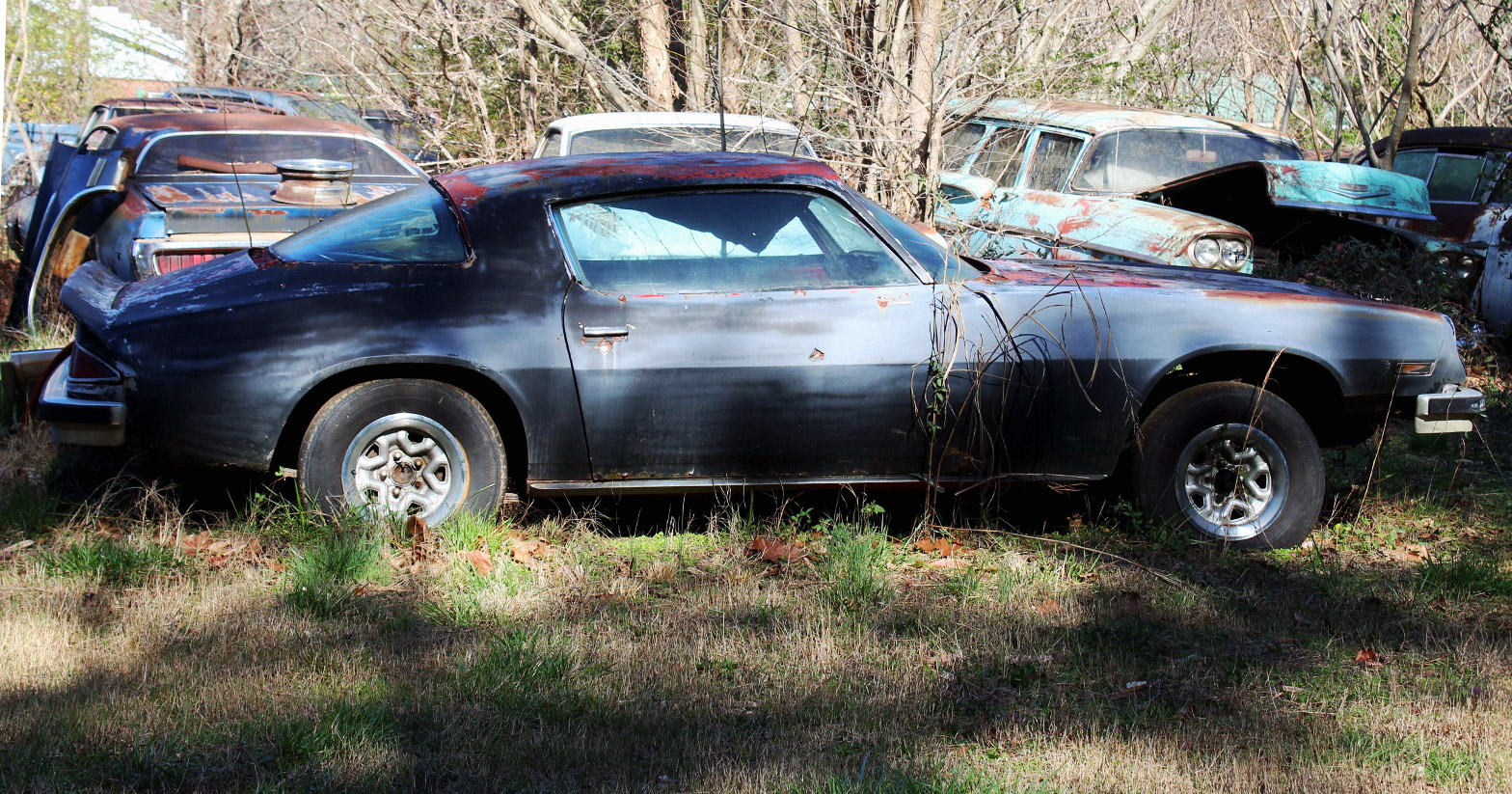
Common Rust Areas on 2nd Generation Chevy Camaros (1970-1981)
Last Updated August 13, 2026Second-generation Camaros are popular restoration candidates, but rust can turn a promising 1970-1981 project into a much bigger job than expected. These cars have long quarter panels, wide floor sections, hidden structural areas, and plenty of seams where moisture can collect over time.
Before buying parts or starting bodywork, inspect the common rust areas carefully. Floors, rockers, rear frame rails, torque boxes, trunk pans, quarters, and window channels deserve close attention on any second-generation Camaro project.
Start With the Floor Pans
Floor pans are one of the most common rust areas on 1970-1981 Camaros. Water can enter through worn weatherstripping, windshield leaks, heater box leaks, rear window leaks, or damaged body seams. Once moisture gets under carpet and insulation, the floors can rust from the inside.
Check the front footwells, rear seat footwells, seat mounting areas, transmission tunnel edges, and floor braces. Look from both inside the cabin and underneath the car to spot soft metal, pinholes, patch panels, or heavy undercoating hiding previous repairs.
Inspect the Rocker Panels and Lower Door Openings
Rocker panels on second-generation Camaros can rust from road spray, clogged drain paths, and trapped dirt inside the lower body structure. Because rockers help support the body, rust here should be treated seriously.
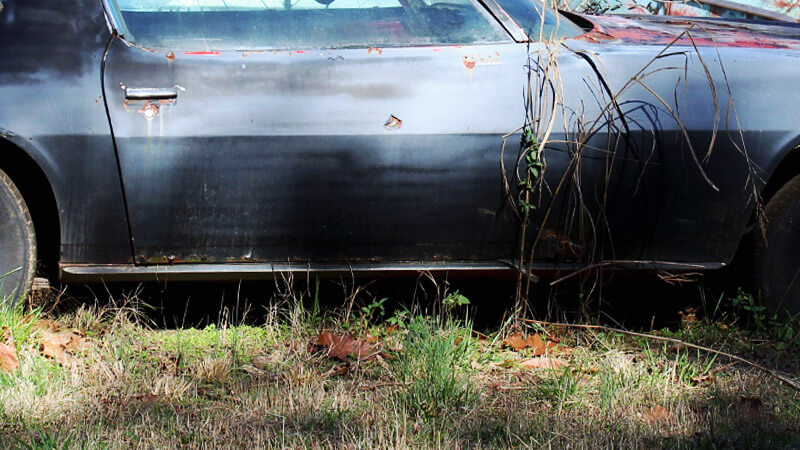
Inspect the outer rockers, inner rocker structure, lower door openings, and pinch welds. Bubbling paint, uneven seams, swollen metal, or thick filler along the lower body can point to deeper corrosion.
Check the Torque Boxes
Torque boxes are structural areas where the floor, rocker, and frame rail sections come together. On second-generation Camaros, these areas can trap moisture and develop hidden rust.
Inspect the torque boxes from underneath, especially near the front of the rear frame rails and around suspension mounting points. Rust in this area can affect structural strength and should not be treated as a cosmetic issue.
Look Closely at the Rear Frame Rails
Rear frame rails are critical to the strength of a second-generation Camaro. They support the rear body structure and suspension mounting points, so rust here can make a project more involved.
Check the rails near the trunk floor, rear spring mounts, torque boxes, and rear body panel. Heavy scaling, soft spots, cracks, or poor patchwork should be inspected before deciding how far the restoration needs to go.
Inspect the Trunk Pan and Rear Body Structure
Trunk pans often rust when water enters through the rear window, trunk weatherstrip, taillight panel, or quarter panel seams. The spare tire well and low points of the trunk floor are especially vulnerable.
Inspect the trunk floor, trunk braces, drop-offs, rear body panel, and seams around the taillight area. Rust in the trunk often connects to quarter panel or rear frame rail repairs, so look beyond the visible holes.
Check the Lower Quarter Panels
Second-generation Camaros have large rear quarter panels that can hide corrosion behind the wheel openings and lower rear sections. Dirt and moisture collect inside these areas, causing rust from the backside of the panel.
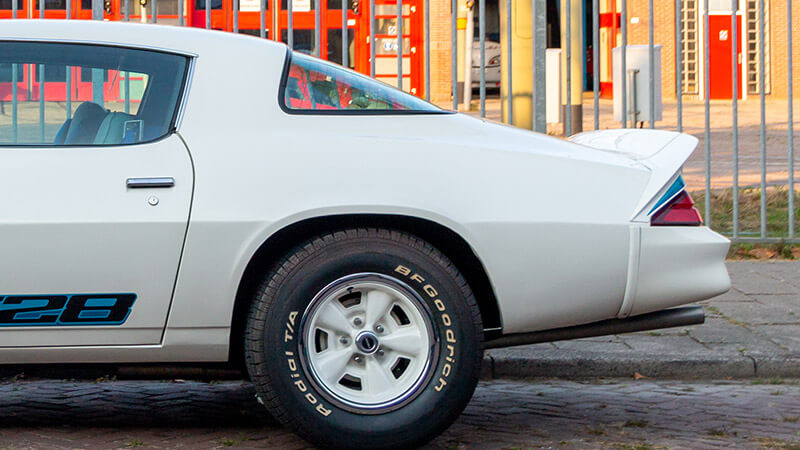
Look around the wheel lips, lower rear quarters, lower sections behind the doors, and the area behind the rear tires. Bubbling paint, cracked filler, uneven reflections, or mismatched panel shape can indicate previous rust repair.
Inspect the Rear Window Channel
The rear window channel is a major water-entry point when sealer fails or rust forms under the trim. Water can travel into the trunk, package tray, quarter structure, and floor area.
Look for bubbling around the rear glass, rust stains in the trunk, damp insulation, or signs of old sealer repairs. If the rear window channel is rusty, inspect the trunk pan and package tray carefully.
Check the Windshield Channel and Cowl Area
Windshield channel rust can lead to water leaks that damage the dash area, floor pans, and lower firewall. The cowl area should also be checked for debris, water stains, and signs of previous repair.
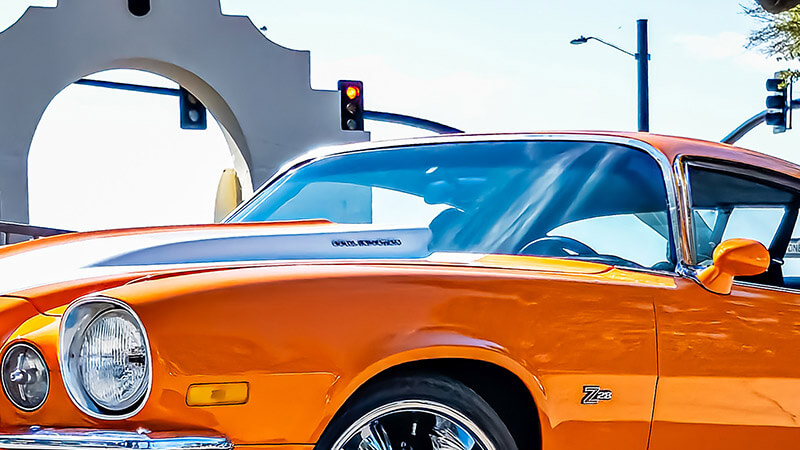
Look around the windshield trim, lower windshield corners, firewall seam, and upper dash area. Damp carpet or rusty front floors may point to a leak higher up the body.
Inspect the Lower Front Fenders
The lower rear corners of the front fenders can collect dirt and moisture where the fender meets the rocker. This area is easy to overlook during a quick walkaround.
Check behind the front wheels, along the lower fender edges, and near the rocker junction. Rust here may be limited to the fender, but it can also indicate rocker or lower body corrosion.
Look at the Doors and Drain Holes
Door shells can rust when water sits inside the lower seam. Clogged drain holes make the problem worse, especially on cars stored outside or driven in wet conditions.
Open each door and inspect the lower seam, inner shell, drain holes, and corners. Bubbling along the lower outside skin usually means rust has started from inside the door.
Check the Tail Panel and Taillight Area
The rear body panel and taillight area can rust from trunk leaks, old collision damage, and moisture trapped behind trim and seals. Rust here may also connect to trunk pan and quarter panel damage.
Inspect the taillight openings, lower tail panel, trunk latch area, and seams where the rear panel meets the quarters.
Second-Gen Camaro Rust Inspection Checklist
| Area | What to Look For | Why It Matters |
|---|---|---|
| Floor pans | Soft spots, holes, patches, damp carpet | Common leak-related rust zone |
| Rockers | Bubbling, swelling seams, filler | Important body structure area |
| Torque boxes | Rust near frame rail and floor junctions | Critical structural repair area |
| Rear frame rails | Heavy scaling, cracks, soft metal | Supports rear body and suspension |
| Trunk pan | Pinholes, spare tire well rust, bad patches | Often tied to rear window leaks |
| Quarter panels | Bubbling, filler cracks, rust at wheel lips | Common exterior corrosion area |
| Rear window channel | Bubbling, water stains, trunk leaks | Can spread into trunk and package tray |
| Windshield channel | Leaks, rust near trim, damp front floors | Can cause dash and floor corrosion |
| Doors | Rust along lower seams | Often caused by clogged drain holes |
Watch for Poor Previous Repairs
Many second-generation Camaros have already had rust repair at some point. A previous repair is not automatically a problem, but poor patchwork can create more work later.
Look for overlapping sheet metal, excessive seam sealer, uneven welds, body filler over rust holes, thick undercoating, or panels that do not line up correctly. If the repair area looks suspicious, inspect from the back side whenever possible.
Decide How Far the Repair Needs to Go
Minor rust can sometimes be repaired with localized patch panels. Severe rust around floors, rockers, torque boxes, trunk braces, and frame rails may require larger panel replacement to restore the car correctly.
Before cutting into the car, inspect the surrounding structure. Rust often spreads beyond the first visible hole, especially in boxed sections and overlapping seams.
Build a Solid Foundation for Your Second-Gen Camaro
Rust repair is one of the most important steps in restoring a 1970-1981 Camaro. Start with the structure, then move to floors, trunk sections, quarters, doors, and exterior panels. A solid foundation makes every later step easier, from body alignment to suspension upgrades.