Chevy LS1 Engine Specs
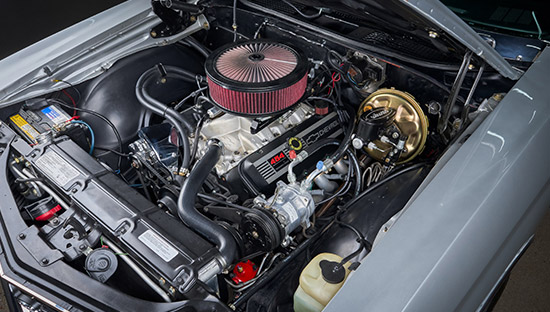
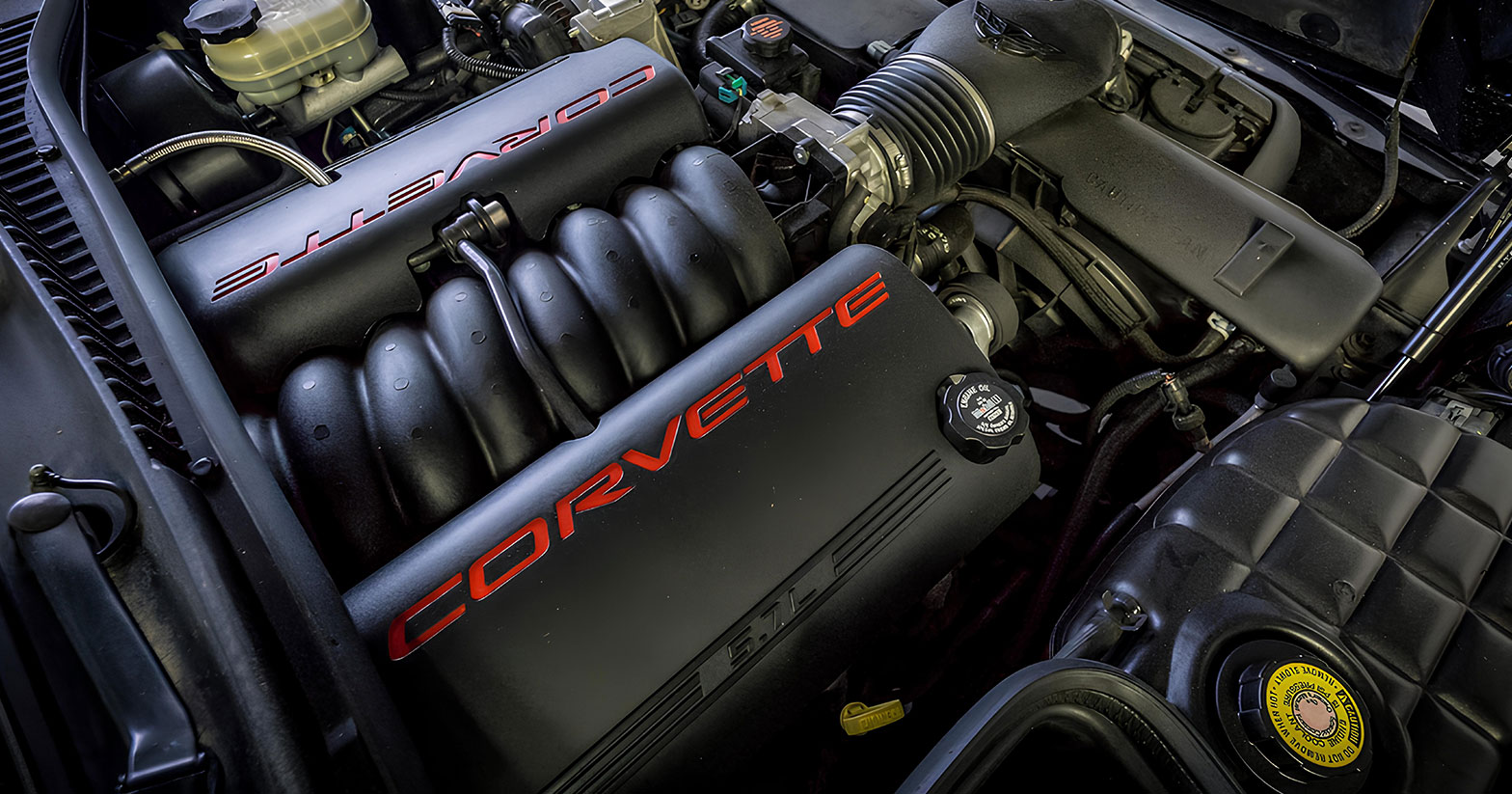
Last Updated April 8, 2026The Chevy LS1 was the first engine in the LS family and marked a major turning point for Chevy performance. Introduced in 1997, it replaced the traditional small block with a modern design that offered improved power, efficiency, and reliability. Today, the LS1 remains one of the most popular LS engines for swaps into classic Camaros, Chevelles, and El Caminos.
LS1 Engine Specifications
| Specification | Details |
|---|---|
| Displacement | 5.7L (346 cubic inches) |
| Bore x Stroke | 3.898 in x 3.62 in |
| Block Material | Aluminum |
| Production Years | 1997 to 2004 |
| Factory Horsepower | 305 to 350 hp |
| Factory Torque | 335 to 365 lb ft |
| Compression Ratio | 10.1:1 |
| Fuel System | Sequential fuel injection |
What Makes the LS1 Unique?
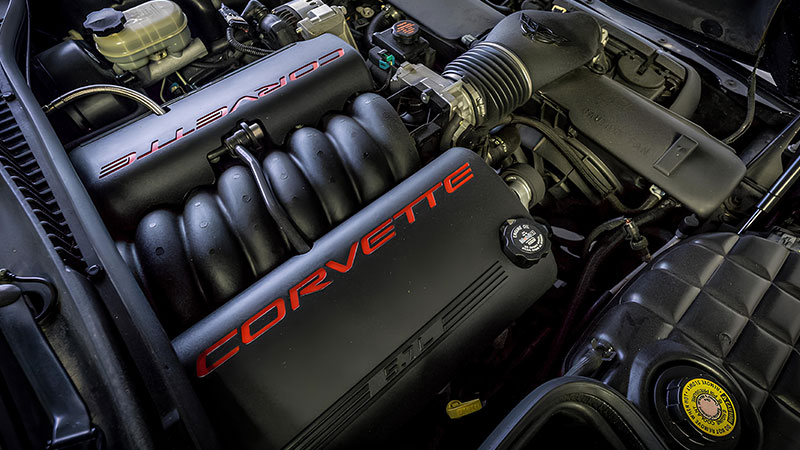
The LS1 introduced a completely new small block design that shared very little with earlier Chevy V8s. It featured an all aluminum construction, cathedral port cylinder heads, and coil near plug ignition, which helped improve efficiency and reliability compared to older engines.
One of the biggest advantages of the LS1 is its weight. Compared to traditional iron block small blocks, the LS1 is significantly lighter, which improves handling and balance in classic cars. It also features strong factory internals that can handle moderate performance upgrades without requiring a full rebuild.
The LS1 also helped establish the LS platform's reputation for airflow and power potential. Even in stock form, it produced more power than many earlier small blocks while delivering better fuel efficiency.
Factory Applications
The LS1 was used in a variety of GM performance vehicles and helped define late 1990s and early 2000s performance.
- 1997 to 2004 Corvette (C5)
- 1998 to 2002 Camaro Z28 and SS
- 1998 to 2002 Pontiac Firebird Formula and Trans Am
- 2004 Pontiac GTO (early models)

LS1 Performance and Upgrade Potential
The LS1 responds very well to common upgrades such as camshaft swaps, intake improvements, headers, and tuning. With basic bolt ons, it can easily exceed factory power levels while maintaining reliability.
While the stock bottom end is strong, it is typically best suited for moderate power builds. For higher horsepower goals, upgrading internal components or starting with a larger LS platform may be a better choice.
Is the LS1 a Good Swap Candidate?
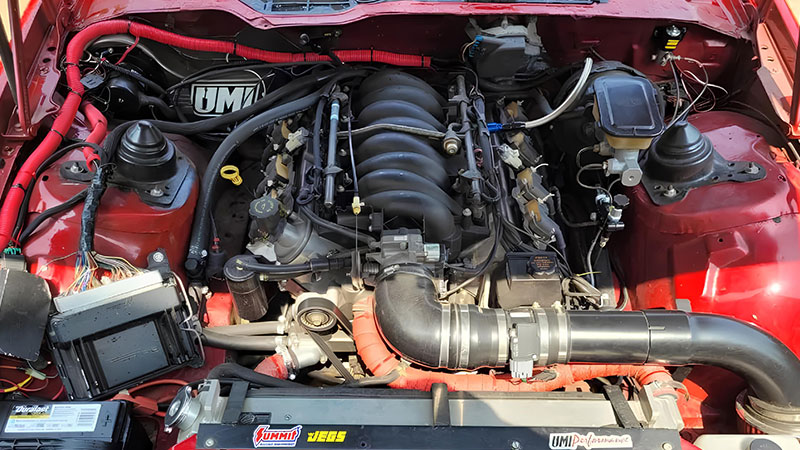
The LS1 is one of the best entry points into LS swapping. It offers a strong balance of cost, performance, and availability, making it ideal for classic Chevy projects.
Best Uses for an LS1 Swap
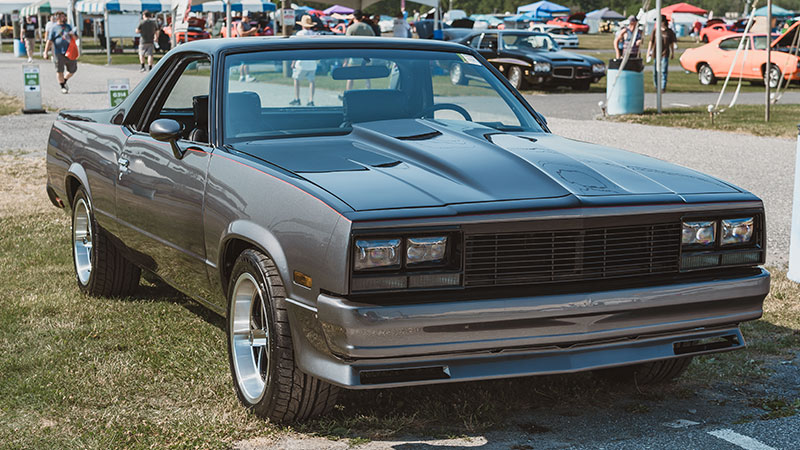
The LS1 is a great fit for balanced street builds, restomods, and first time LS swaps. Its lightweight aluminum design makes it especially well suited for improving handling in classic Camaros, Chevelles, and El Caminos while still delivering strong horsepower.
When to Choose a Different LS Engine
If your build requires higher horsepower out of the box or plans for significant forced induction, engines like the LS3 or iron block truck engines may be a better starting point. These platforms offer more displacement or strength for aggressive builds.
Should You Build an LS1?
The LS1 remains one of the most popular LS engines for a reason. It is affordable, lightweight, and capable of delivering strong performance with simple upgrades. For classic Chevy owners looking to modernize their car without going overboard on cost, the LS1 is an excellent choice.
Whether you are upgrading a first generation Camaro or building a street driven Chevelle, the LS1 provides a reliable foundation for modern performance in a classic package.