Chevy LS2 Engine Specs
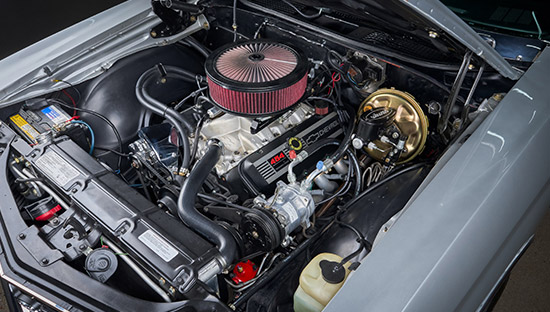
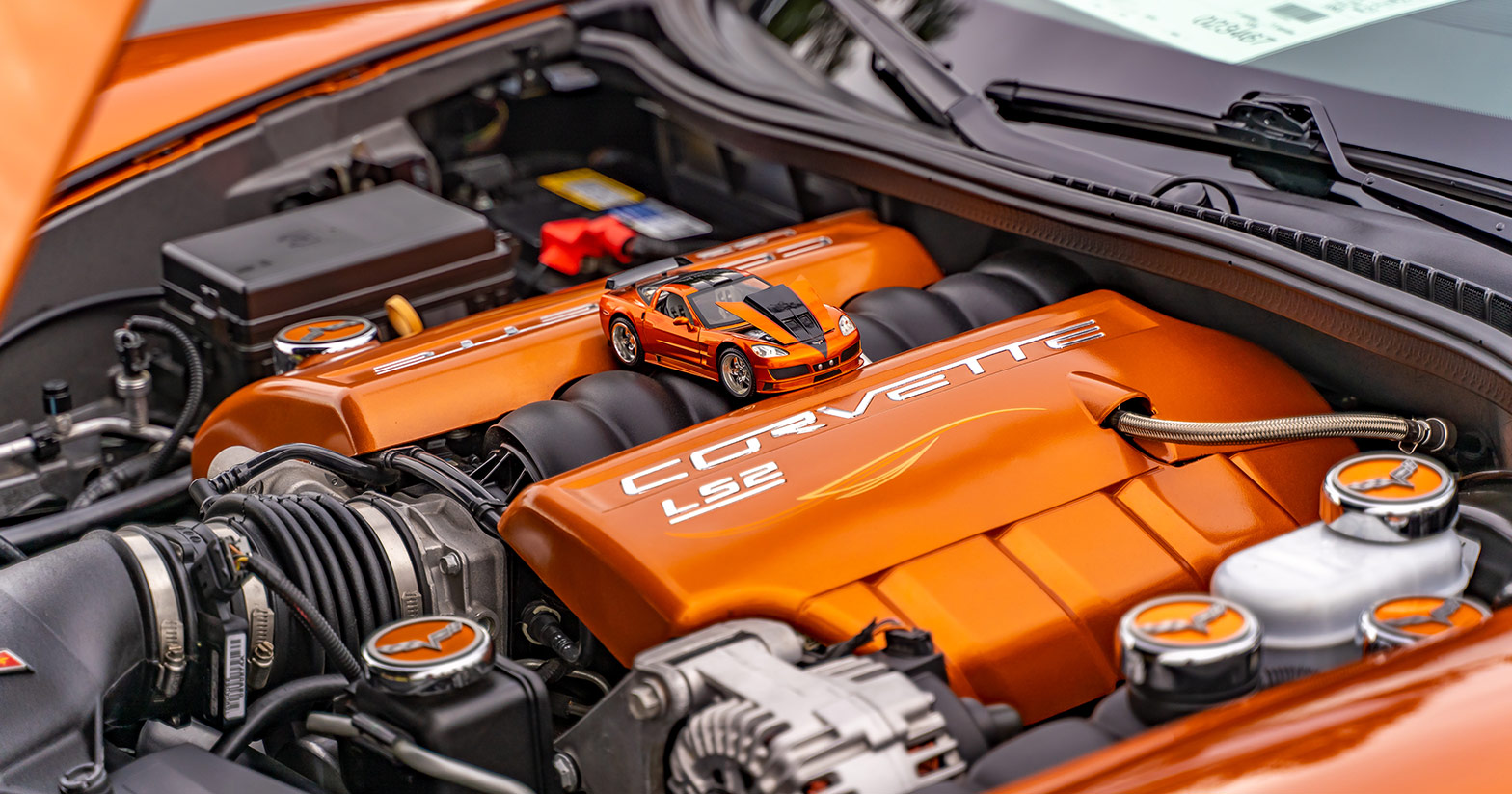
Last Updated April 8, 2026The Chevy LS2 is a larger and more powerful evolution of the LS1, offering improved performance while maintaining the lightweight and efficient design that made the LS platform so popular. Introduced in the mid 2000s, the LS2 became a key engine for GM performance vehicles and remains a strong option for LS swaps into classic Camaros, Chevelles, and El Caminos.
LS2 Engine Specifications
| Specification | Details |
|---|---|
| Displacement | 6.0L (364 cubic inches) |
| Bore x Stroke | 4.00 in x 3.62 in |
| Block Material | Aluminum |
| Production Years | 2005 to 2007 |
| Factory Horsepower | 390 to 400 hp |
| Factory Torque | 400 lb ft |
| Compression Ratio | 10.9:1 |
| Fuel System | Sequential fuel injection |
| Cylinder Heads | Cathedral port heads |
What Makes the LS2 Unique?
The LS2 builds on the foundation of the LS1 by increasing displacement to 6.0 liters, which delivers a noticeable boost in both horsepower and torque. It also features a stronger block design and improved internal components, making it a more capable engine for performance applications.

While it retains cathedral port cylinder heads like the LS1, the LS2 benefits from refinements that improve airflow and overall efficiency. This combination of increased displacement and improved design makes it a strong middle ground between the LS1 and later engines like the LS3.
The LS2 also helped transition the LS platform toward higher output performance engines, setting the stage for the more advanced designs that followed.
Factory Applications
The LS2 was used in several high performance GM vehicles during its production run.
- 2005 to 2007 Corvette (C6)
- 2005 to 2006 Pontiac GTO
- 2005 to 2006 Chevrolet SSR
- 2006 to 2007 Cadillac CTS V
- Trailblazer SS

LS2 Performance and Upgrade Potential
The LS2 offers strong performance right out of the box, with nearly 400 horsepower in factory form. Its larger displacement gives it an advantage over the LS1, especially in torque, making it a great option for heavier vehicles or street focused builds.
Like other LS engines, the LS2 responds well to common upgrades such as camshaft changes, intake improvements, headers, and tuning. With basic modifications, it can easily exceed 425 horsepower while maintaining reliability.
While it does not flow as well as the LS3 due to its cathedral port heads, it still offers strong performance and can support significant power increases with the right combination of parts.
Is the LS2 a Good Swap Candidate?
The LS2 is an excellent swap option for classic Chevy builds that need more power than an LS1 without stepping up to the higher cost of an LS3. It offers a great balance of displacement, performance, and affordability.
Best Uses for an LS2 Swap
The LS2 works well in street driven classics, restomods, and builds that benefit from added torque. It is a strong choice for Camaros, Chevelles, and El Caminos that need reliable power for both cruising and spirited driving.

When to Choose a Different LS Engine
If your goal is maximum airflow and horsepower, the LS3 is often a better option due to its rectangular port heads. For budget builds, truck LS engines may offer better value, while high end builds may benefit from LS7 based platforms.
Should You Build an LS2?
The LS2 is a well rounded LS engine that delivers strong performance, good reliability, and solid upgrade potential. It is often overlooked compared to the LS1 and LS3, but it fills an important role as a powerful and capable middle option in the LS lineup.
For classic Chevy owners looking to upgrade their Camaro, Chevelle, or El Camino, the LS2 offers an excellent balance of power and cost, making it a smart choice for a wide range of builds.