Chevy LS3 Engine Specs
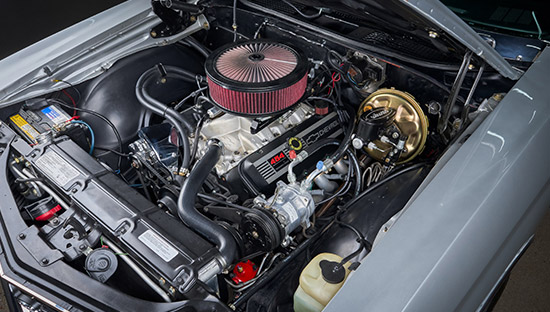
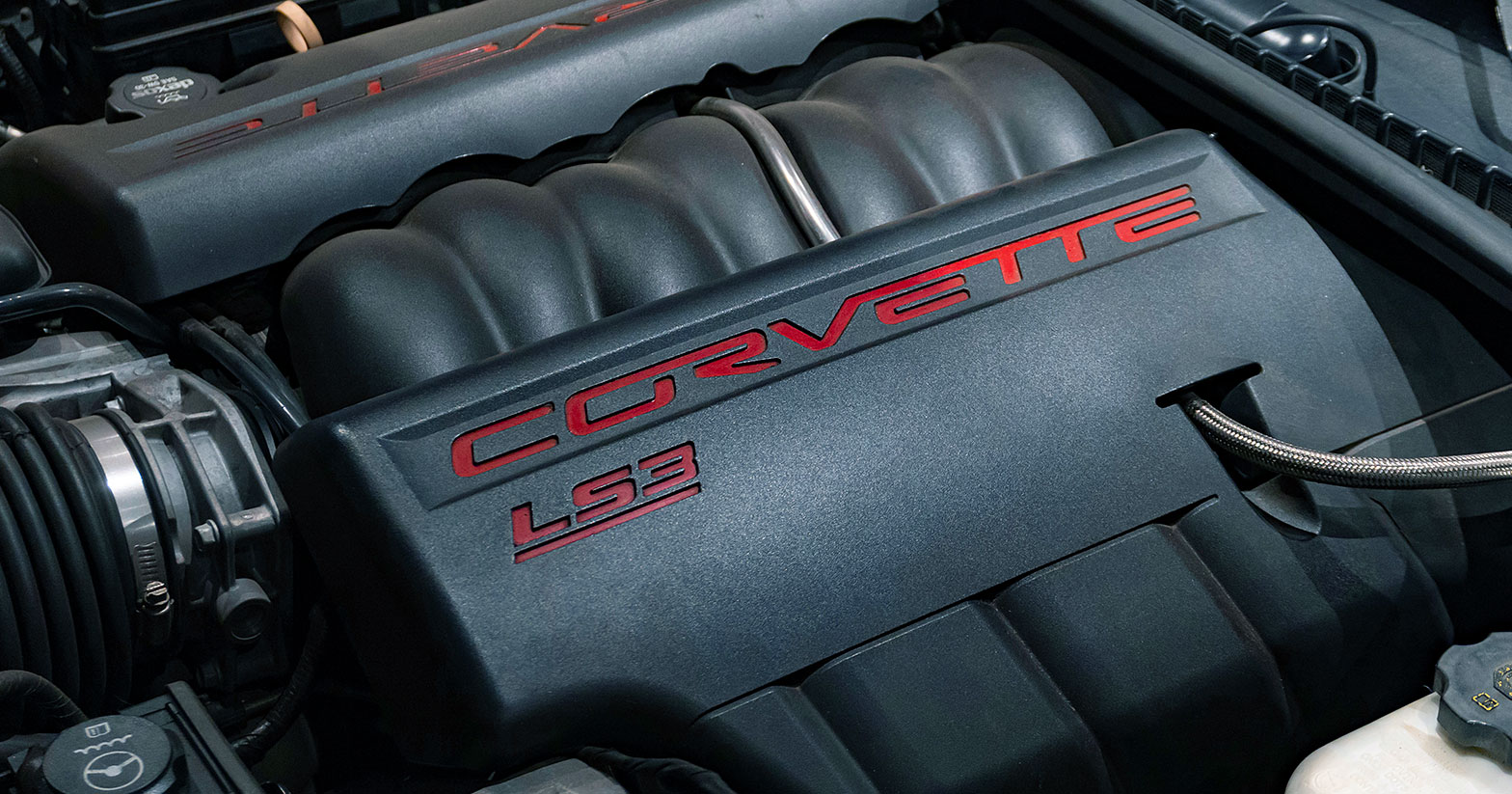
Last Updated April 9, 2026The Chevy LS3 is one of the most popular and widely used LS engines thanks to its strong factory performance, excellent airflow, and proven reliability. Introduced in 2008, the LS3 quickly became a go to choice for both modern GM performance cars and LS swap projects in classic Camaros, Chevelles, and El Caminos.
LS3 Engine Specifications
| Specification | Details |
|---|---|
| Displacement | 6.2L (376 cubic inches) |
| Bore x Stroke | 4.065 in x 3.62 in |
| Block Material | Aluminum |
| Production Years | 2008 to 2017 |
| Factory Horsepower | 430 to 436 hp |
| Factory Torque | 424 to 428 lb ft |
| Compression Ratio | 10.7:1 |
| Fuel System | Sequential fuel injection |
| Cylinder Heads | Rectangular port heads |
What Makes the LS3 Unique?
The LS3 stands out for its larger displacement and significantly improved airflow compared to earlier LS engines. Its rectangular port cylinder heads are one of its biggest advantages, allowing for better breathing and higher horsepower potential right out of the box.

Unlike earlier engines like the LS1, the LS3 was designed with performance in mind from the factory. It delivers over 400 horsepower in stock form and responds extremely well to upgrades, making it one of the most versatile LS engines available.
Another key advantage is its balance of power and reliability. The LS3 can handle aggressive camshaft upgrades and bolt ons without sacrificing drivability, making it ideal for street driven builds.
Factory Applications
The LS3 powered many of Chevy's top performance vehicles in the late 2000s and early 2010s.
- 2008 to 2013 Corvette (C6)
- 2010 to 2015 Camaro SS
- Pontiac G8 GXP
- Chevrolet SS sedan

LS3 Performance and Upgrade Potential
The LS3 is known for its strong performance potential and ability to make power with minimal modifications. Simple upgrades like a camshaft, intake, headers, and tuning can push the LS3 well beyond 450 horsepower.
With more advanced upgrades such as cylinder head work, forced induction, or stroker kits, the LS3 can easily support much higher power levels. Its strong bottom end and efficient airflow make it one of the best LS platforms for both naturally aspirated and boosted builds.
Is the LS3 a Good Swap Candidate?
The LS3 is one of the best LS engines for swaps, especially for enthusiasts looking for strong performance without needing extensive modifications. It offers modern reliability, excellent power, and strong aftermarket support.
Best Uses for an LS3 Swap
The LS3 is ideal for high performance street builds, restomods, and classic Chevy projects that need modern power. It works especially well in Camaros, Chevelles, and El Caminos where a balance of horsepower, drivability, and reliability is important.

When to Choose a Different LS Engine
If you are working with a tight budget, a truck LS engine may be a better starting point. For extreme performance builds, engines like the LS7 or aftermarket LS based combinations may offer even greater potential.
Should You Build an LS3?
The LS3 is one of the best all around LS engines available. It delivers excellent power from the factory, responds well to upgrades, and offers the reliability needed for street driven classics.
For classic Chevy owners looking to upgrade their Camaro, Chevelle, or El Camino with modern performance, the LS3 is often the perfect choice. It provides a strong foundation for builds ranging from mild street cars to serious performance machines.