Chevy LS7 Engine Specs
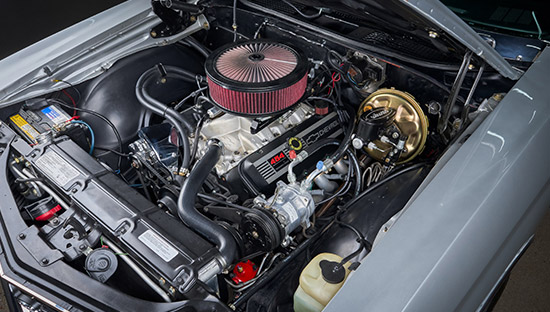
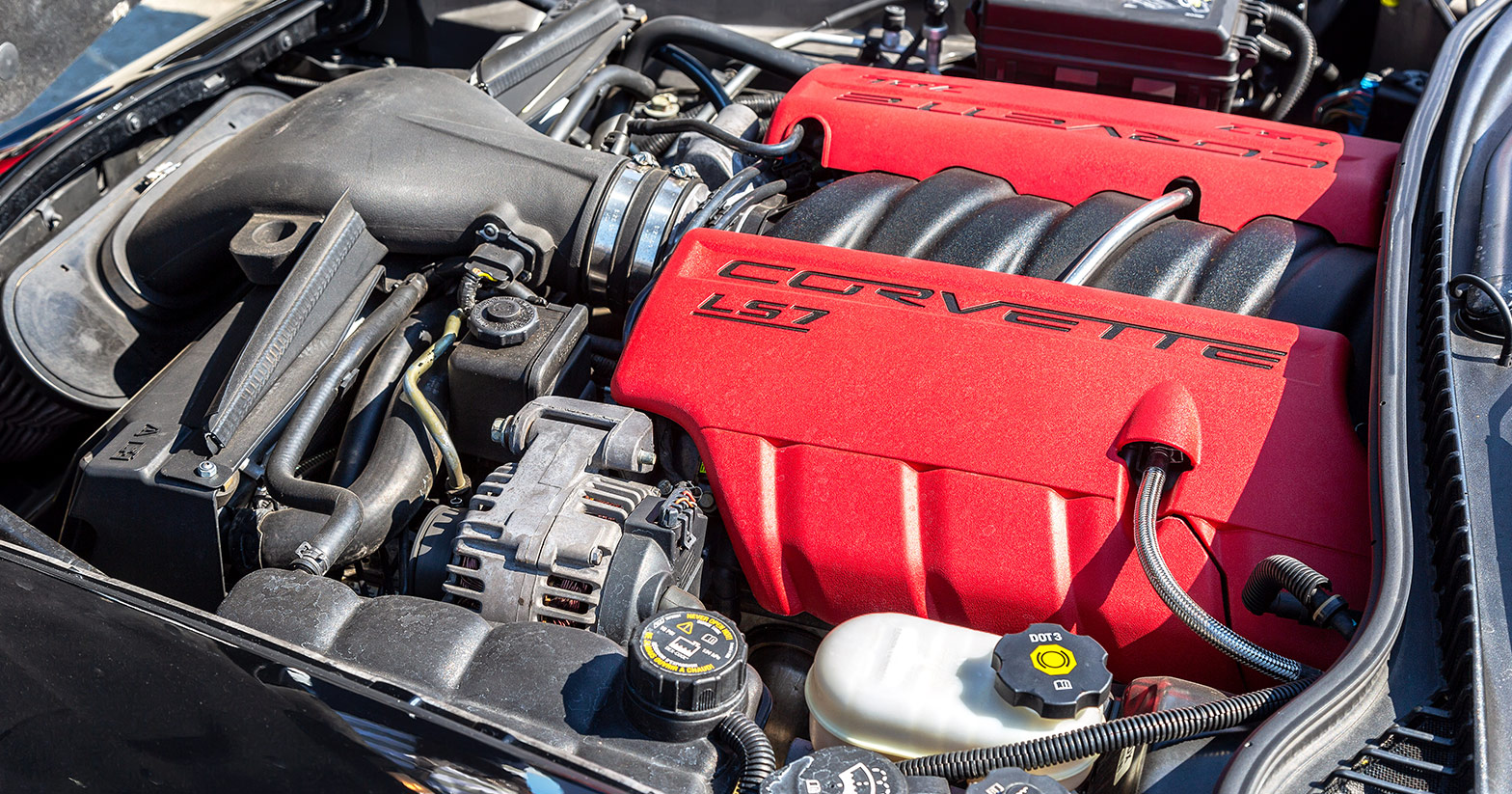
Last Updated April 10, 2026The Chevy LS7 is one of the most powerful naturally aspirated engines ever produced by General Motors. Introduced as a high performance flagship engine, the LS7 delivers massive displacement, race inspired components, and exceptional airflow. It has become a top tier choice for enthusiasts building high end Camaros, Chevelles, and El Caminos with serious performance goals.
LS7 Engine Specifications
| Specification | Details |
|---|---|
| Displacement | 7.0L (427 cubic inches) |
| Bore x Stroke | 4.125 in x 4.00 in |
| Block Material | Aluminum |
| Production Years | 2006 to 2015 |
| Factory Horsepower | 505 hp |
| Factory Torque | 470 lb ft |
| Compression Ratio | 11.0:1 |
| Fuel System | Sequential fuel injection |
| Cylinder Heads | High flow rectangular port heads |
What Makes the LS7 Unique?
The LS7 stands out for its large displacement and race inspired engineering. At 427 cubic inches, it is the largest naturally aspirated LS engine produced by Chevrolet, delivering exceptional torque and horsepower without forced induction.

One of its most notable features is the use of lightweight internal components, including titanium connecting rods and intake valves. These components reduce rotating mass and allow the engine to rev freely despite its large displacement. The LS7 also features hand assembled construction, adding to its reputation as a premium performance engine.
Its cylinder heads are designed for maximum airflow, making the LS7 one of the best breathing LS engines ever produced. This contributes to its strong top end performance and ability to make power across the entire RPM range.
Factory Applications
The LS7 was reserved for Chevy's most performance focused vehicles and was never widely used across the GM lineup.
- 2006 to 2013 Corvette Z06 (C6)
- 2014 to 2015 Camaro Z28

LS7 Performance and Upgrade Potential
The LS7 delivers over 500 horsepower in stock form, making it one of the strongest naturally aspirated engines available. Its combination of displacement and airflow allows it to produce excellent low end torque while still pulling hard at higher RPM.
While it is already highly capable from the factory, the LS7 can still benefit from upgrades such as camshaft changes, intake improvements, and tuning. For more extreme builds, forced induction or additional internal upgrades can push the LS7 to even higher power levels.
Due to its premium components and design, the LS7 is often used in builds where both performance and quality are top priorities.
Is the LS7 a Good Swap Candidate?
The LS7 is an excellent swap candidate for high end builds, but it is not typically used in budget projects. Its cost and performance level place it firmly in the premium category of LS engines.
Best Uses for an LS7 Swap
The LS7 is ideal for high performance restomods, track capable builds, and classic Chevys that are being built to deliver modern supercar level performance. This makes it an unreasonable swap candidate for the vast majority of builds.

When to Choose a Different LS Engine
If you are working with a limited budget or do not need over 500 horsepower, engines like the LS3 or LS2 are more practical options. For forced induction builds, iron block truck engines may offer better durability at a lower cost.
Should You Build an LS7?
The LS7 is one of the most impressive engines in the LS family and represents the peak of naturally aspirated small block performance. It offers exceptional power, premium components, and a unique driving experience that sets it apart from other LS engines.
However, for classic Chevy owners building a high end Camaro, Chevelle, or El Camino, the LS7 is overkill in most cases.