Common Rust Areas on 1st Generation Chevy Camaros (1967-1969)
Last Updated August 7, 2026Rust is one of the biggest challenges when restoring a 1967-1969 Camaro. These cars are more than 50 years old, and even solid-looking projects can hide corrosion in structural areas, seams, and water traps. Knowing where to look before you buy or tear into a restoration can save time, money, and frustration.
First-generation Camaros commonly rust around the cowl, windshield, floor pans, quarter panels, trunk, rockers, and frame rail sections. Some areas are easy to spot during a walkaround, while others require careful inspection from underneath the car or inside the cabin.
Check the Cowl and Windshield Area First
The cowl area is one of the most important rust zones on a first-generation Camaro. Water enters through the cowl vents at the base of the windshield and is supposed to drain away from the body. When debris collects inside the cowl, moisture can sit against the metal and cause rust from the inside out.
Look for bubbling paint near the windshield, damp carpet, rust stains under the dash, or water leaks after washing the car. A rusty cowl can be a major repair because the damage is often hidden beneath the upper cowl panel.
Inspect the Floor Pans for Hidden Rot
Floor pans often rust after water leaks into the cabin from the cowl, windshield, door seals, or rear window area. Once moisture gets under the carpet and insulation, it can stay trapped for years.
Check the front floors near the firewall, the footwells, the seat mounting areas, and the rear floor sections. From underneath, look for thin metal, pinholes, patch panels, undercoating covering suspicious areas, or soft spots around braces and seams.
Look Closely at the Lower Quarter Panels
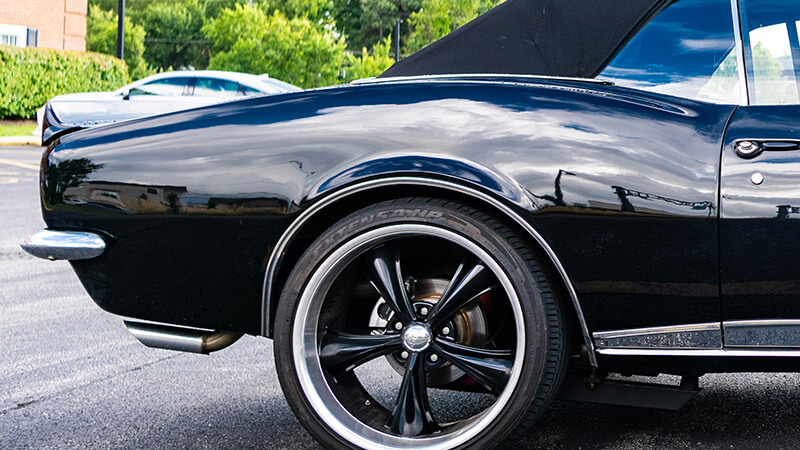
Lower quarter panels are a classic rust area on 1967-1969 Camaros. Dirt and moisture collect behind the rear wheels and inside the lower quarter structure, causing rust to form from the inside.
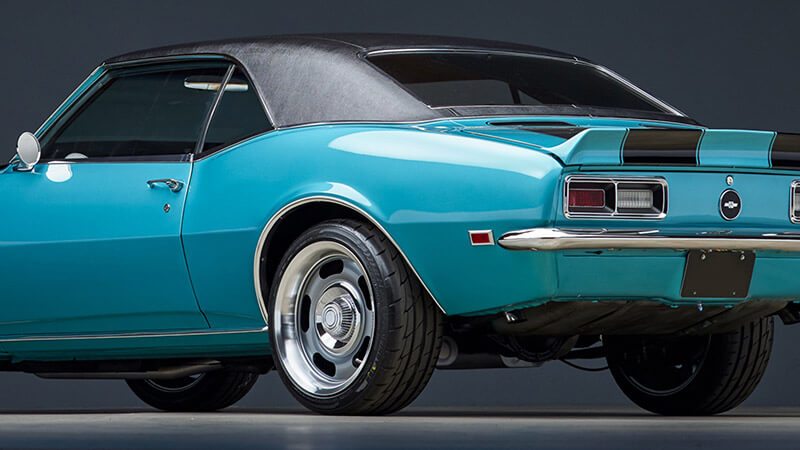
Inspect the area behind the rear tires, the lower rear quarter extensions, and the wheel opening lips. Bubbling paint, filler cracks, uneven panel shape, and thick undercoating can all point to previous rust repair.
Check the Trunk Pan and Drop-Offs
The trunk pan can rust from water leaking past the rear window, trunk weatherstrip, taillight panel, or quarter seams. Once water gets into the trunk, it often settles in the low areas around the spare tire well and trunk floor braces.
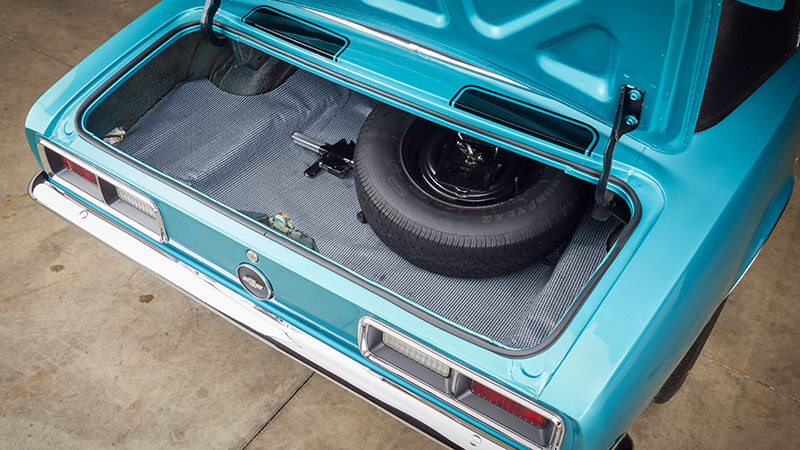
Pay close attention to the trunk drop-offs on each side. These panels connect the trunk floor to the lower quarter panels, so rust here often appears alongside quarter panel corrosion.
Inspect the Rear Window Channel
The lower corners of the rear window channel are prone to rust. Moisture can sit under the window trim, especially if the original sealer has failed or the car has had previous bodywork.
Look for bubbling around the rear glass, rust stains inside the trunk, or signs of water running down the package tray. Rear window channel rust can lead to trunk floor damage if ignored.
Check the Rocker Panels
Rocker panels are structural areas that run below the doors. They can rust from road spray, trapped dirt, and moisture entering through seams or previous damage.
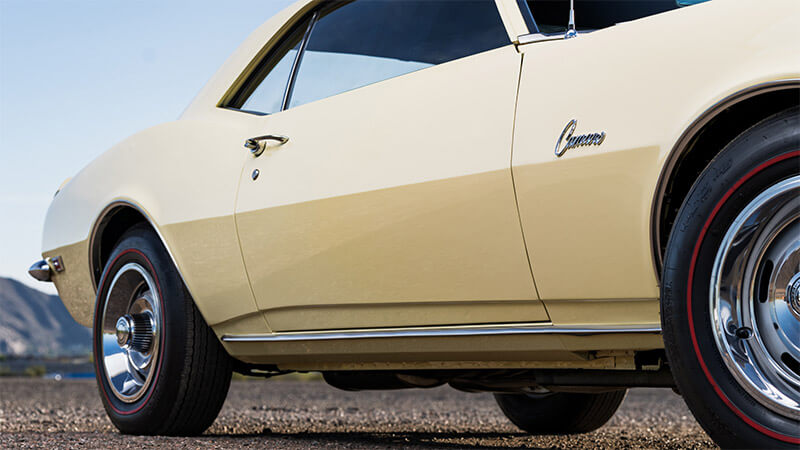
Inspect the outer rockers, inner rockers, lower door openings, and pinch welds. Watch for swelling seams, soft spots, bubbling paint, or body filler along the lower edge of the car.
Inspect the Front Fenders and Lower Fender Corners
The lower rear corners of the front fenders often rust where the fender meets the rocker panel. Mud and debris can collect behind the fender and hold moisture against the metal.
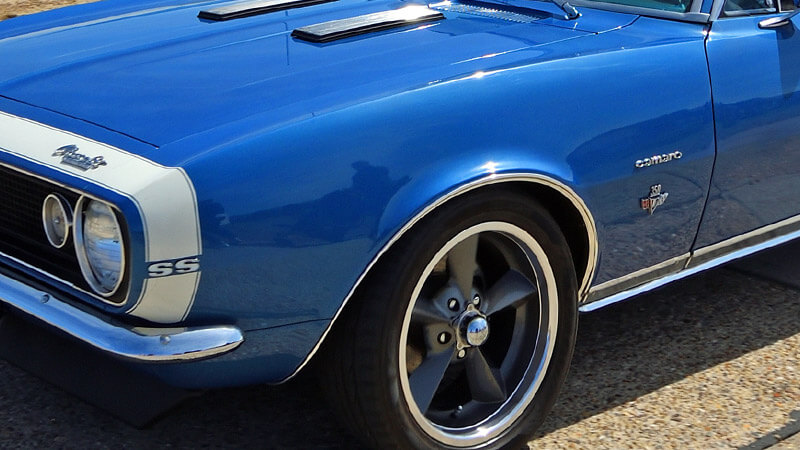
Check the bottom of each fender, the area behind the front wheel, and the mounting points near the rocker. Rust here may be isolated, but it can also indicate deeper corrosion behind the panel.
Look at the Doors, Door Shells, and Drain Holes
Doors can rust along the lower seams when water gets inside and the drain holes clog. This often starts from the inside, so the outer skin may look acceptable while the lower seam is weak.
Open each door and inspect the bottom edge, inner shell, drain openings, and lower corners. Rust bubbles along the lower door skin usually mean moisture has been sitting inside the door.
Inspect the Rear Frame Rails and Leaf Spring Mounts
Rear frame rails and leaf spring mounting areas are critical structural zones. Rust here can affect the car's strength, suspension mounting points, and overall safety.
Check the rails from underneath, especially near the rear torque boxes, spring pockets, trunk floor braces, and rear shackles. Heavy scaling, cracks, soft metal, or poorly welded patches should be taken seriously.
Watch for Rust Around the Taillight Panel
The taillight panel can rust from trunk leaks, rear body damage, and moisture trapped behind trim and seals. Since the taillight panel ties into the quarters and trunk floor, rust in this area often overlaps with other rear body repairs.
Check around the taillight openings, lower panel seam, trunk latch area, and rear body panel edges.
What to Look Out for When Inspecting a Car for Rust
| Area | What to Look For | Why It Matters |
|---|---|---|
| Cowl and windshield | Leaks, bubbling paint, rust under dash | Can require major hidden repair |
| Floor pans | Soft spots, patches, pinholes | Affects cabin structure and seat mounting |
| Quarter panels | Bubbling, filler, rust behind wheels | Common exterior rust zone |
| Trunk pan | Pinholes, rust around spare tire well | Often tied to rear window or trunk leaks |
| Rockers | Swelling seams, filler, soft metal | Important structural area |
| Rear frame rails | Scaling, cracks, bad patches | Critical suspension and body support area |
| Doors | Rust along lower seams | Often caused by clogged drain holes |
| Rear window channel | Bubbling, water stains, trunk leaks | Can lead to trunk and package tray rust |
Decide Between Patch Panels and Full Panel Replacement
Small rust areas may be repairable with patch panels, but widespread corrosion often calls for full panel replacement. The right repair depends on the location, severity, and condition of the surrounding metal.
Cosmetic rust on a lower fender is very different from structural rust around frame rails, rockers, or suspension mounting points. Before ordering parts, strip the area enough to understand how far the damage extends.
Plan Your First-Gen Camaro Rust Repair the Right Way
Rust repair is one of the most important parts of any 1967-1969 Camaro restoration. Start with the structure, then work outward to floors, quarters, trunk panels, and exterior sheet metal. Fixing the foundation first helps avoid alignment problems later.